Navigating Public School Challenges for Twice Exceptional Children

A parent of a twice exceptional child shares struggles with his first-grade son in a Bay Area public school. Despite excelling in math competitions, the child faces bullying and challenges with executive functioning. The school's behavior chart system, intended to help, seems to focus more on compliance than support, leading to the child feeling labeled as a "bad kid." The boy has an IEP for speech but is undergoing evaluation for additional needs like ADHD. The parent is exploring better-suited educational environments and seeking advice from others facing similar challenges.
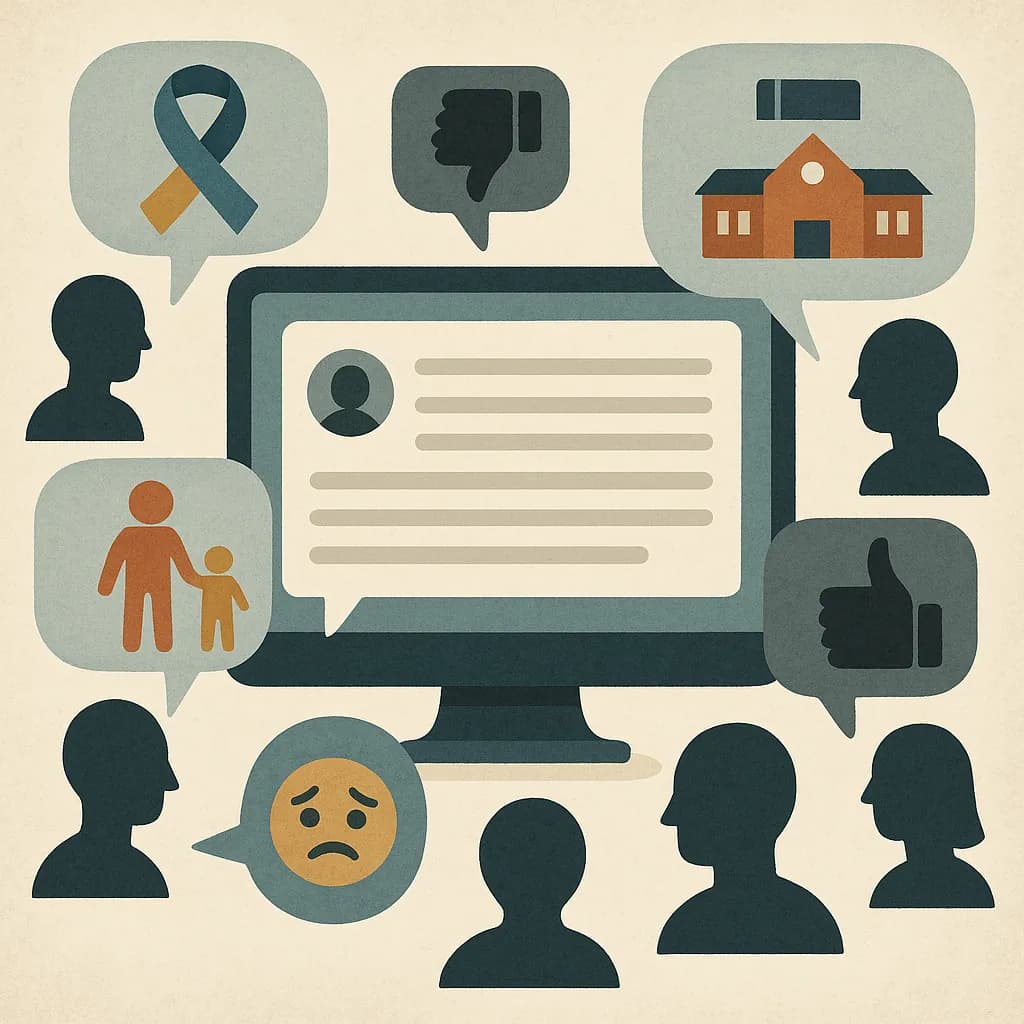
Comments reveal a divided community: some suggest autism or ADHD explanations, others recommend alternative schooling or improved parenting. Many emphasize the lack of adequate support for twice exceptional children in public schools and share personal stories of similar struggles. The sentiment leans toward frustration with public education's handling of bullying and executive functioning issues, urging parents to explore specialized private schools or homeschooling.

This post highlights broader issues in education and workplace diversity: accommodating twice exceptional children in traditional systems, the importance of Individualized Education Programs (IEPs) for executive functioning, and effective bullying prevention. It underscores challenges parents face balancing advocacy with institutional limitations, impacting both student well-being and long-term talent development. Employers and educators must consider neurodiversity and supportive environments to foster inclusion from early education through career pathways.
// The Desk Poll
Are public schools equipped for twice exceptional kids?
Reactions