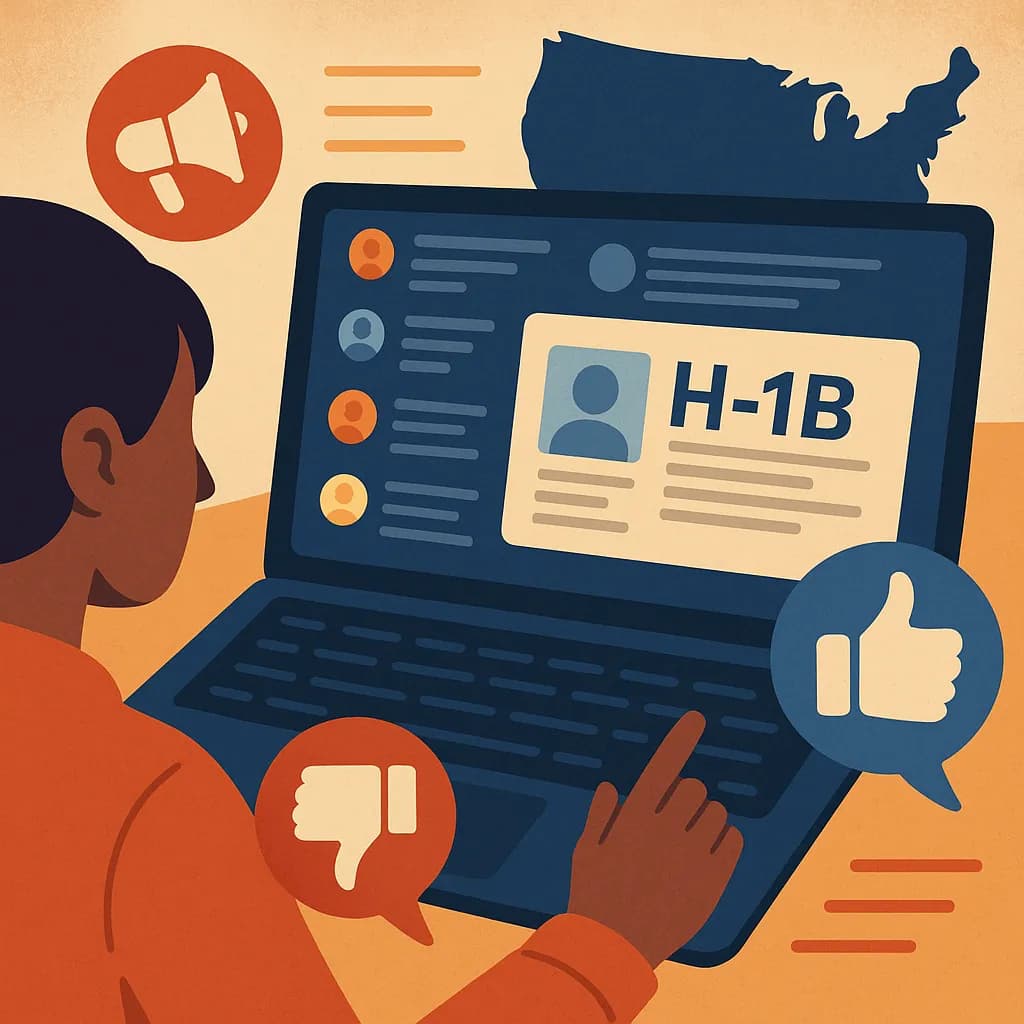
Are 1.4M H1B and H4 Visa Holders Affecting American Job Opportunities?

The debate over the necessity of 1.4 million H1B and H4 visa holders in the U.S. workforce is intensifying as job seekers find it harder to secure employment. Despite a significant cut in legal immigration, many perceive that visa holders may be replacing American workers and suppressing wages by working long hours. Supporters argue that these skilled immigrants fill critical gaps in the labor market and contribute significantly to innovation and high-paying roles. Critics counter that the large number of visa holders increases competition for jobs, particularly impacting fresh American graduates. This discussion highlights the broader tensions surrounding the impact of H1B visas on wages, job competition, and the overall legal immigration job market effects.

Comments reveal a stark divide: some defend H1B visa holders as highly skilled contributors essential to innovation and economic growth, noting the intense job market competition affects everyone regardless of visa status. Others express frustration, blaming visa workers for depressing wages and displacing domestic talent, especially entry-level Americans. The conversation also touches on misconceptions about visa holders' roles and the complexities of immigration policy, stressing that blame should not overshadow personal skill development and market realities.
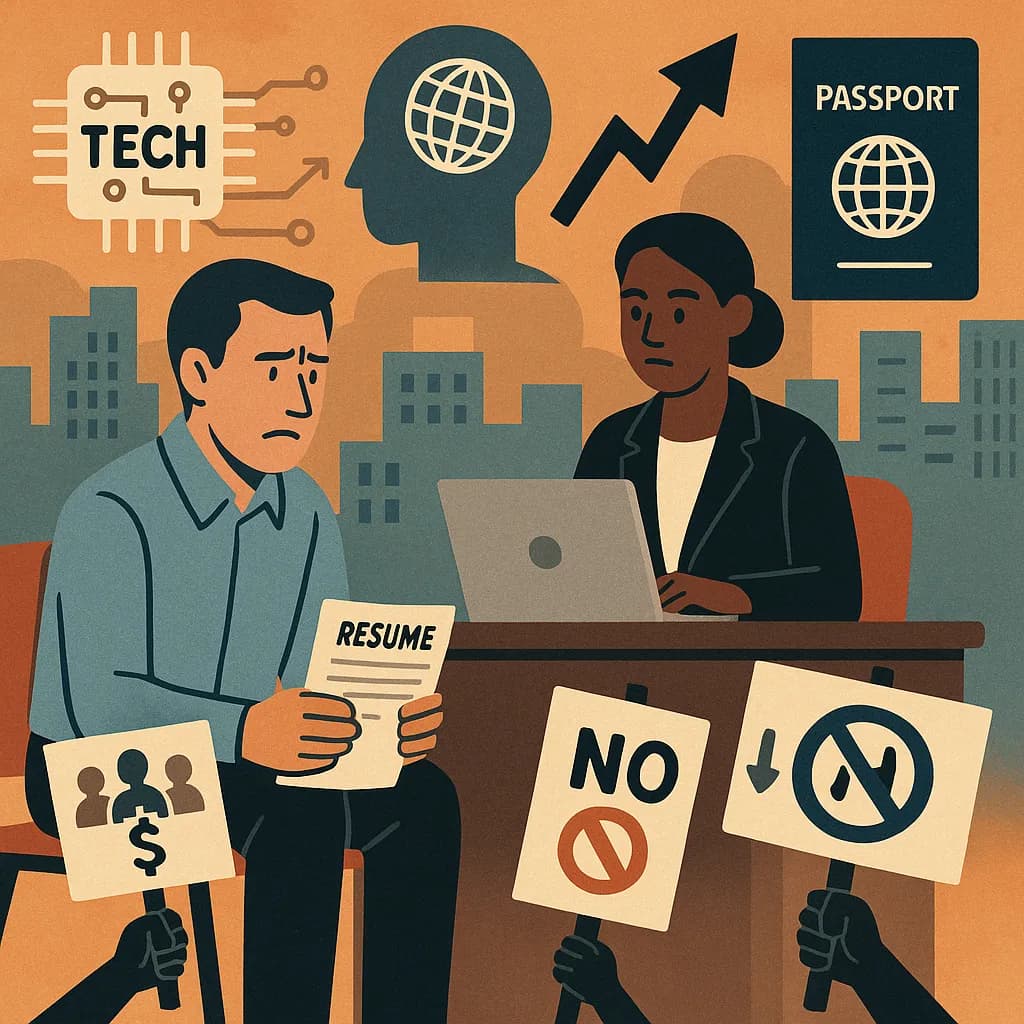
This topic ties into broader workplace and economic issues such as talent shortages in tech, the challenge of balancing immigration policy with domestic employment, wage dynamics influenced by global labor pools, and the rising importance of skills and preparation in a competitive job market. It also reflects ongoing debates about how legal immigration shapes innovation, company hiring strategies, and national economic competitiveness.
// The Desk Poll
Should the U.S. reduce the number of H1B and H4 visa holders?
Reactions