Why H1B Visa Changes Are a Hot Midterms Issue
As the midterms approach, new proposals targeting the H1B visa program, such as removing the 60-day grace period and increasing fees, have sparked intense debate. Although H1B holders represent less than 0.5% of the U.S. workforce, these policy changes are highly politicized, reflecting deeper economic and social tensions. Critics argue that H1B visa holders compete unfairly with American tech workers, while supporters highlight their positive contribution to the economy and the need for skilled foreign workers amid labor shortages. These visa policy changes are being used as political tools to mobilize voters and distract from other pressing issues like the war and gas prices. The discourse also reveals broader concerns about labor protections, immigration policy, and economic competitiveness.
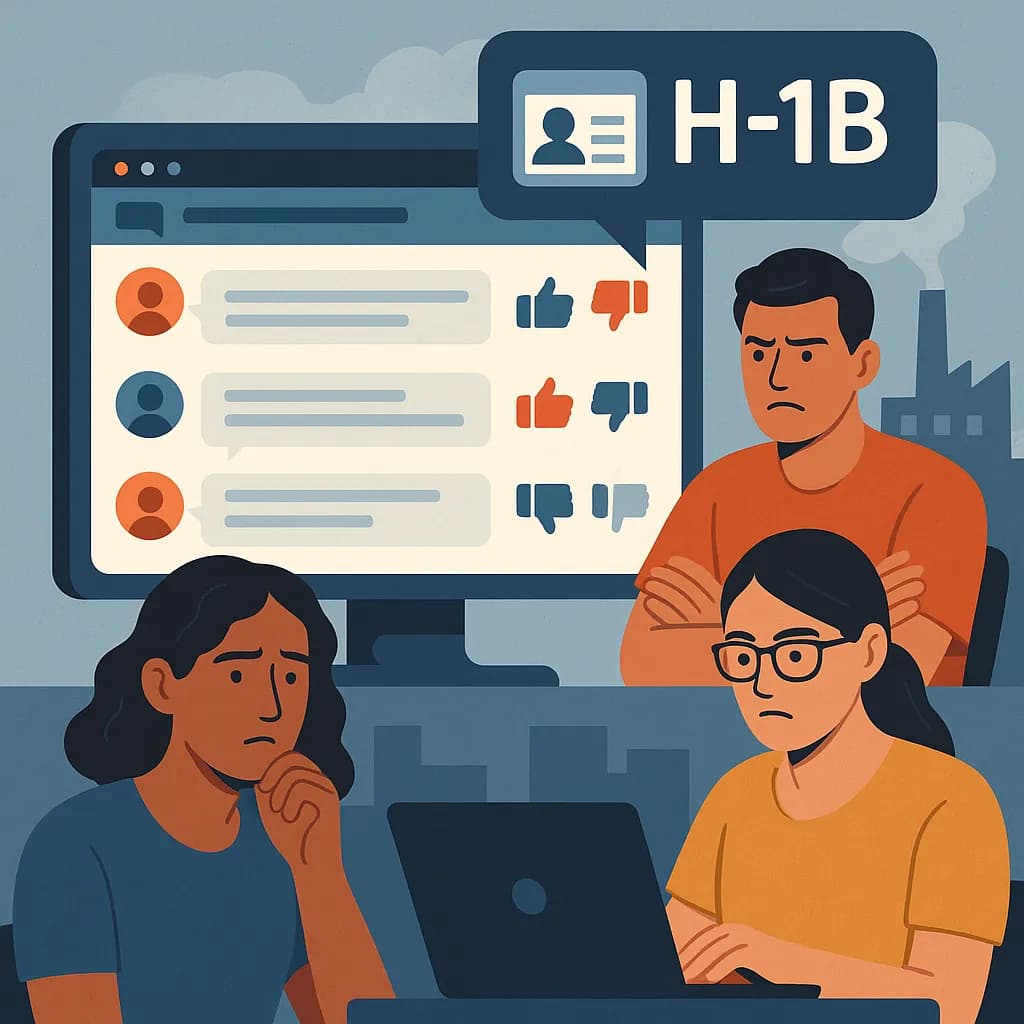
Comments reveal a sharp divide: some express frustration over job competition and accuse H1B workers of undercutting American employees, while others emphasize the positive economic impact and necessity of these visas in a global market. There's skepticism about the motives behind recent visa policy changes, with many seeing them as political maneuvers rather than substantive solutions. The debate touches on issues of fairness, labor rights, and economic strategy, underscoring the polarized views on immigration and employment in the tech sector.
The H1B visa debate intersects with broader workplace concerns including tech industry layoffs, labor protections, and the challenge of balancing immigration with domestic employment needs. Changes in visa policy affect hiring practices, management strategies, and the competitiveness of the U.S. economy. Additionally, these issues reflect political tactics used during election cycles to influence voter sentiment on immigration and jobs.
// The Desk Poll
Should H1B visa policies be tightened ahead of the midterms?
Reactions
// From Another Desk