Why Vibecoding Hackathons for Beginners Signal the Future of Coding

Vibecoding is gaining traction as a revolutionary approach to software development that empowers individuals with little to no coding experience to build impactful applications. Enthusiasts highlight vibecoding hackathons for beginners as proof of how this no-code development style enables professionals from diverse fields—doctors, consultants, and others—to contribute uniquely to tech innovation. Advocates believe the future of human language coding will replace traditional programming languages, making software creation more accessible. This shift could democratize technology, fostering creativity and practical problem-solving by leveraging domain expertise rather than syntax mastery. However, debates persist about whether coding knowledge remains essential, with some arguing that understanding product clarity and requirements still dominates the development process. Nonetheless, vibecoding represents a significant step toward inclusive and intuitive software creation.
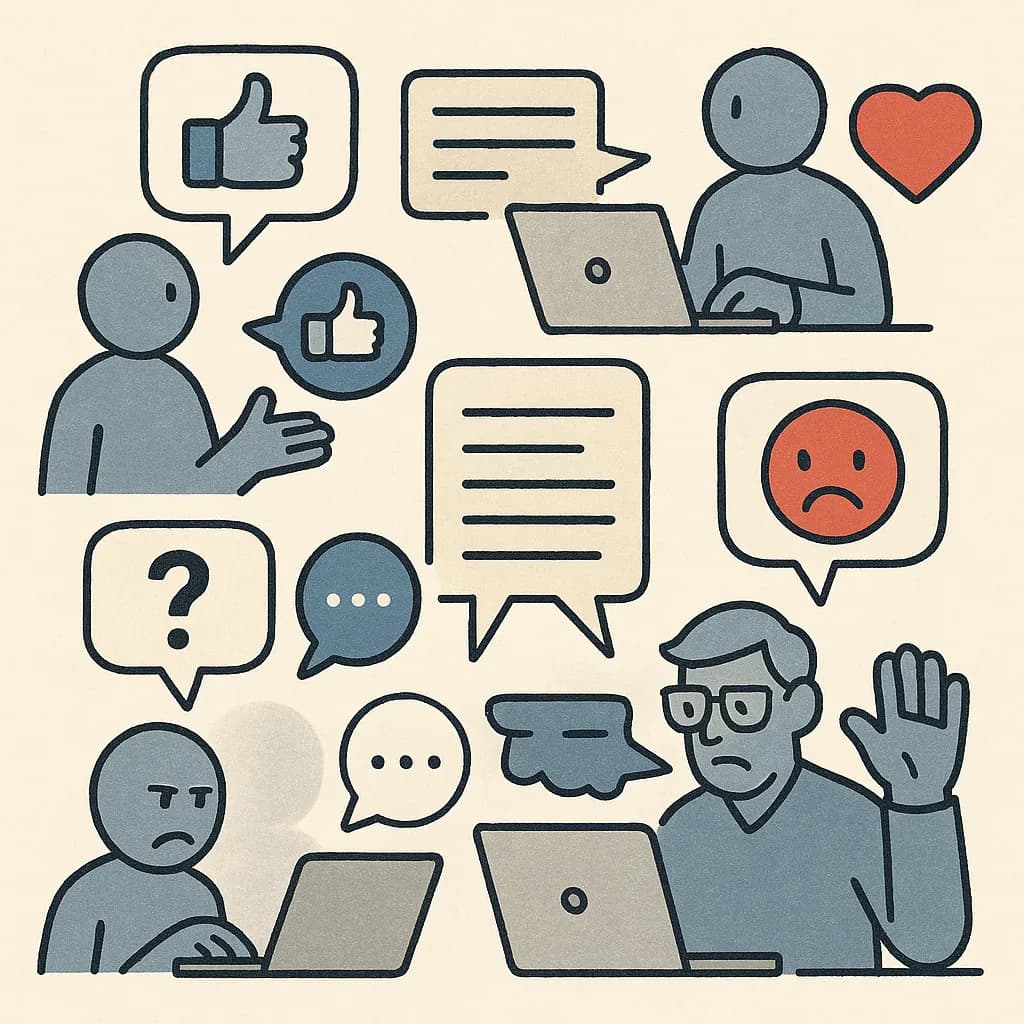
The comments reveal a divided perspective on vibecoding's promise. Some users champion the accessibility it brings to non-coders and believe it heralds a new era of human language coding. Others argue that coding complexity, clarity of requirements, and technical problem-solving remain major barriers that vibecoding and AI tools have yet to fully overcome. Several highlight ongoing challenges such as hallucinated AI output and the need for technical oversight, while a few defend the importance of seasoned engineering knowledge. Overall, the discussion underscores skepticism mixed with optimism about the evolving future coding landscape shaped by vibecoding and no-code development.
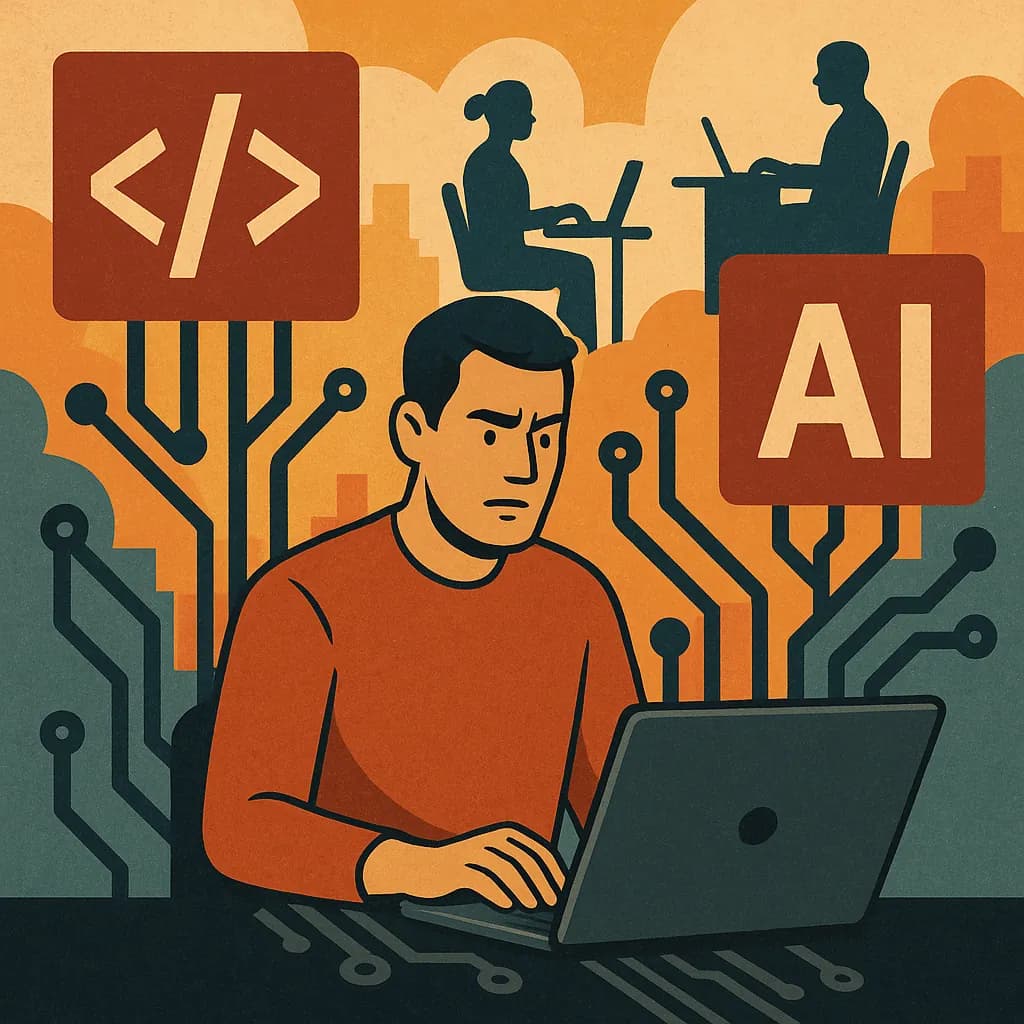
This discussion connects to broader trends in workplace technology adoption, such as the rise of no-code development and AI-assisted programming, which are reshaping tech hiring and team dynamics. It also touches on how businesses value clarity in product vision versus technical prowess, influencing management decisions and salary justification. Additionally, the debate reflects economic impacts of automating technical skills and the shifting demand for traditional coding expertise amid new development paradigms. Remote work and evolving team roles further complicate these shifts, illustrating tensions between innovation, quality, and efficiency in software development.
// The Desk Poll
Will vibecoding replace traditional programming?
Reactions
// From Another Desk
Microsoft Offers Buyout to 60,000 Employees Amid Tech Layoff Wave
Microsoft announces buyout offer to 60,000 workers amid tech layoffs 2026, sparking debate on severance fairness and future job market impacts.
Why High Net Worth Employees Fear Layoffs Despite Financial Security
Explore why even tech employees with high net worth fear layoffs amid micromanagement and workload stress in the tech industry.