JD Vance Claims 90% Drop in H1B Visa Issuance: What It Means for Tech Jobs
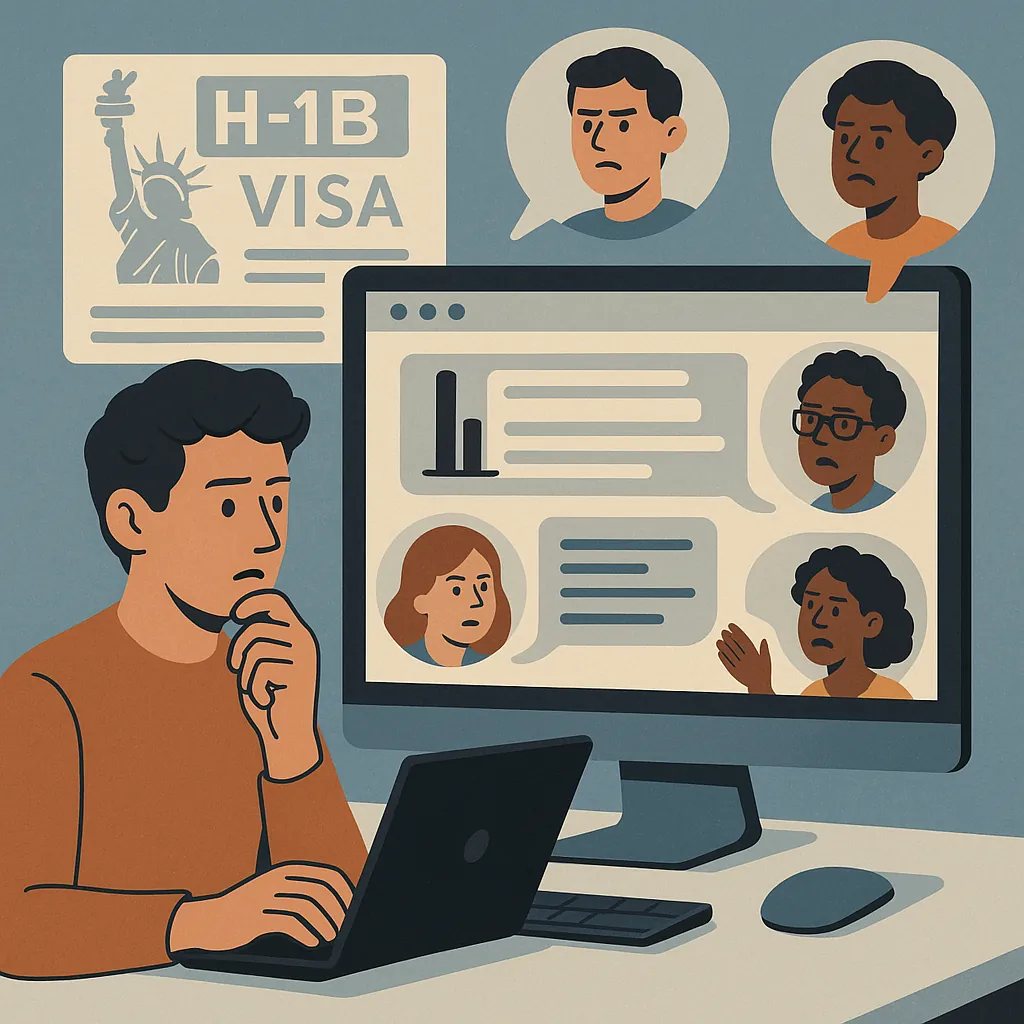
JD Vance recently updated the public on the status of the H1B visa program, claiming a roughly 90% decline in the issuance of new H1B visas in the U.S. due to recent administrative actions. This dramatic decrease has sparked debates about whether it will ease competition in the tech job market for domestic talent. However, many sources and commentators dispute this figure, stating that the number of visas issued remains consistent with previous years. The discussion has ignited polarized opinions about immigration policy, its impact on tech jobs, and fairness for American job seekers. The H1B visa program continues to be a hot topic as the tech industry grapples with talent shortages and evolving hiring practices.

Commenters are deeply divided on JD Vance's H1B visa update. Some support the claim of a sharp drop in visa issuance, believing it could benefit American tech workers and reduce reliance on foreign labor, especially in specialties like AI and ML. Others strongly dispute the accuracy of the 90% figure, citing consistent visa issuance numbers and lottery application patterns instead. There is also frustration over larger systemic issues such as green card backlogs, family-based immigration, and the broader fairness of visa policies amid a challenging job market. The conversation reflects skepticism toward political statements and concern for how visa policies impact both immigrants and domestic workers.
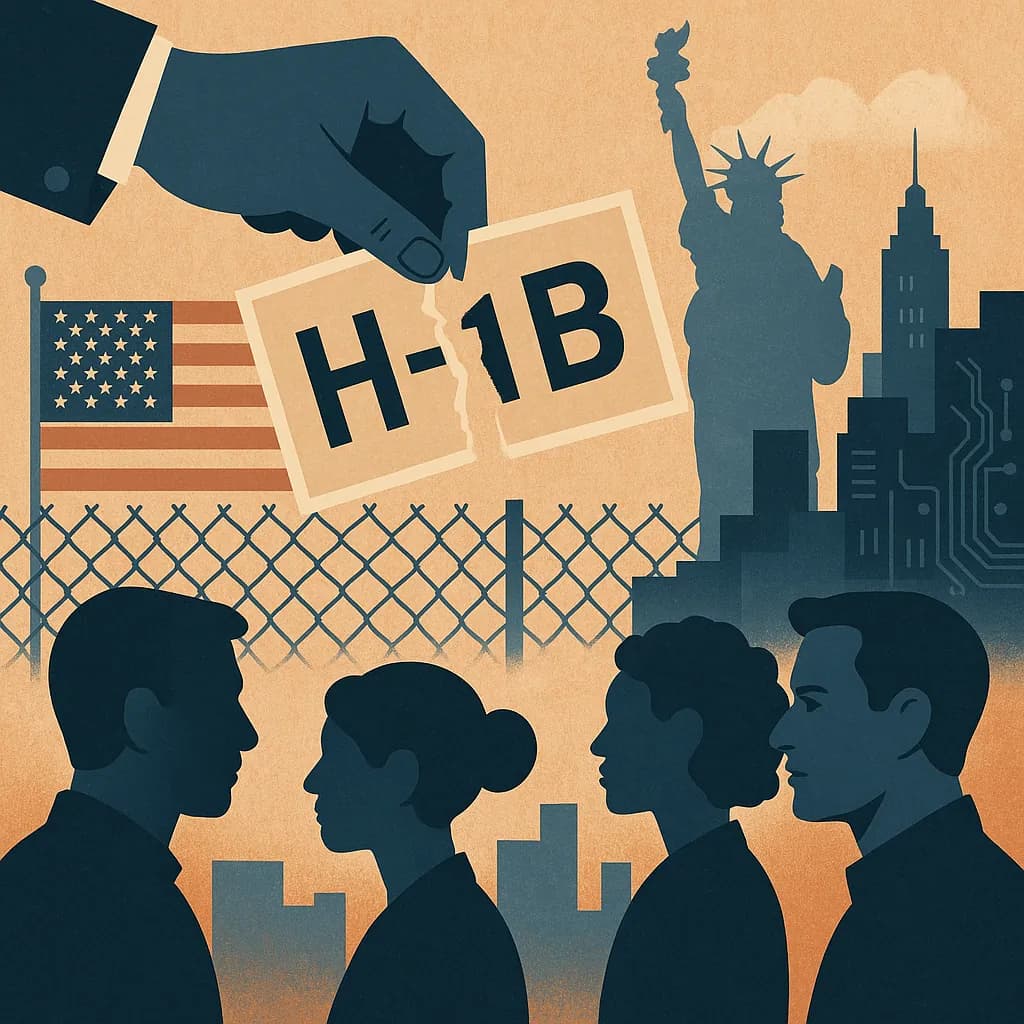
This H1B visa issuance decline intersects with broader issues like immigration policy reform, tech industry hiring challenges, and the economic impact of visa programs on American workers. Debates continue over balancing the needs for skilled foreign talent against protecting domestic employment opportunities. Additionally, the controversy highlights the complexity of visa caps, green card processing delays, and how these policies affect workforce diversity and innovation in the technology sector. Discussions about visa policy often tie into management decisions, labor market dynamics, and evolving immigration regulations under different administrations.
// The Desk Poll
Does a 90% H1B visa drop help U.S. tech workers?
Reactions
// From Another Desk
Microsoft Offers Buyout to 60,000 Employees Amid Tech Layoff Wave
Microsoft announces buyout offer to 60,000 workers amid tech layoffs 2026, sparking debate on severance fairness and future job market impacts.
Why High Net Worth Employees Fear Layoffs Despite Financial Security
Explore why even tech employees with high net worth fear layoffs amid micromanagement and workload stress in the tech industry.