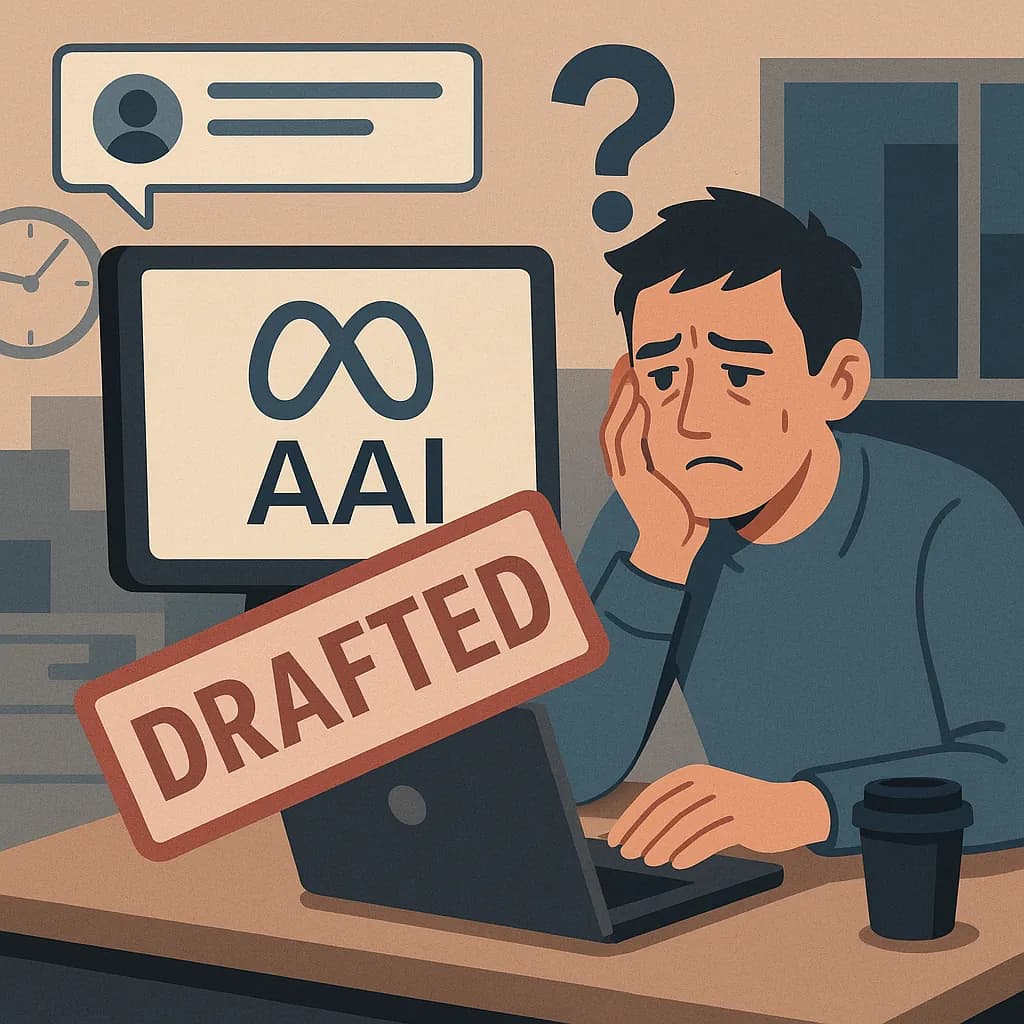
Why Coding Interview Prep Often Fails You: The Real Challenge Ahead
Many candidates prepare for coding interviews in isolation, practicing problems alone without real-world pressures. The original post highlights a crucial disconnect: interview conditions involve real-time thinking, interruptions, and scrutiny, unlike the quiet, timed environment of solo prep. This mismatch can cause candidates to freeze or underperform despite strong technical skills. Comments reveal that realistic practice under observation, using tools that mimic actual interviews, can improve outcomes. Others argue that interview formats have become a strategic game, focusing on tricks, behavioral stories, and buzzwords rather than true problem-solving. The consensus is that better preparation for the dynamics of interviews—not just content—is essential for success.
Commenters largely agree with the original post, emphasizing that overconfidence from solitary prep leads to poor performance under observation. Many advocate for repeated, realistic practice with feedback, using platforms like Apexinterviewer or even ChatGPT. Some highlight the strategic nature of interviews today, categorizing questions as trick-based, behavioral storytelling, or buzzword-heavy design tests. A divide exists between those who see interviews as a skills test and those who see them as a performance game shaped by recruiters' vague expectations.
This discussion connects to broader concerns about fairness and effectiveness in tech hiring processes. It reflects challenges candidates face in adapting to high-pressure evaluations, the limitations of traditional prep methods, and the need for transparent communication from recruiters. It also touches on the mental health impacts of interview stress and the evolving nature of technical assessments in an increasingly competitive job market.
// The Desk Poll
Is coding interview prep missing the point?
Reactions

// From Another Desk