Inside Zuck's Priority Project: Overworked and Undrafted?
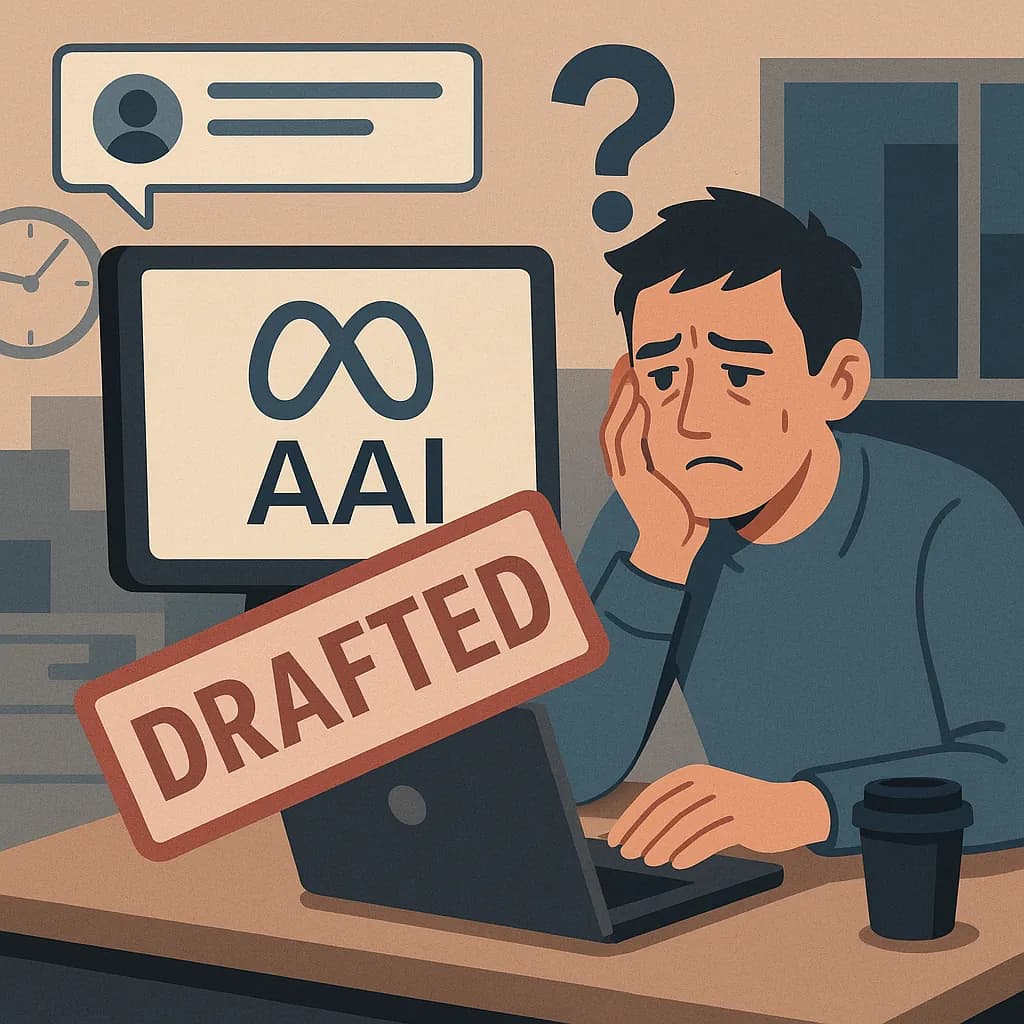
An employee recently shared his concerns about being drafted into Meta's AAI project, describing it as a challenging priority project known for intense workloads and long hours. He fears facing daily overtime and being confined to the office around the clock, raising doubts about whether his total compensation will increase accordingly. The AAI project, like previous priority projects such as Threads and MSL, has a reputation for demanding schedules and job dissatisfaction. The employee wonders if there is any way to get undrafted from such projects without negatively impacting his career. This post highlights the growing concerns around the demanding nature of priority projects within leading tech companies and the impact on employee well-being.
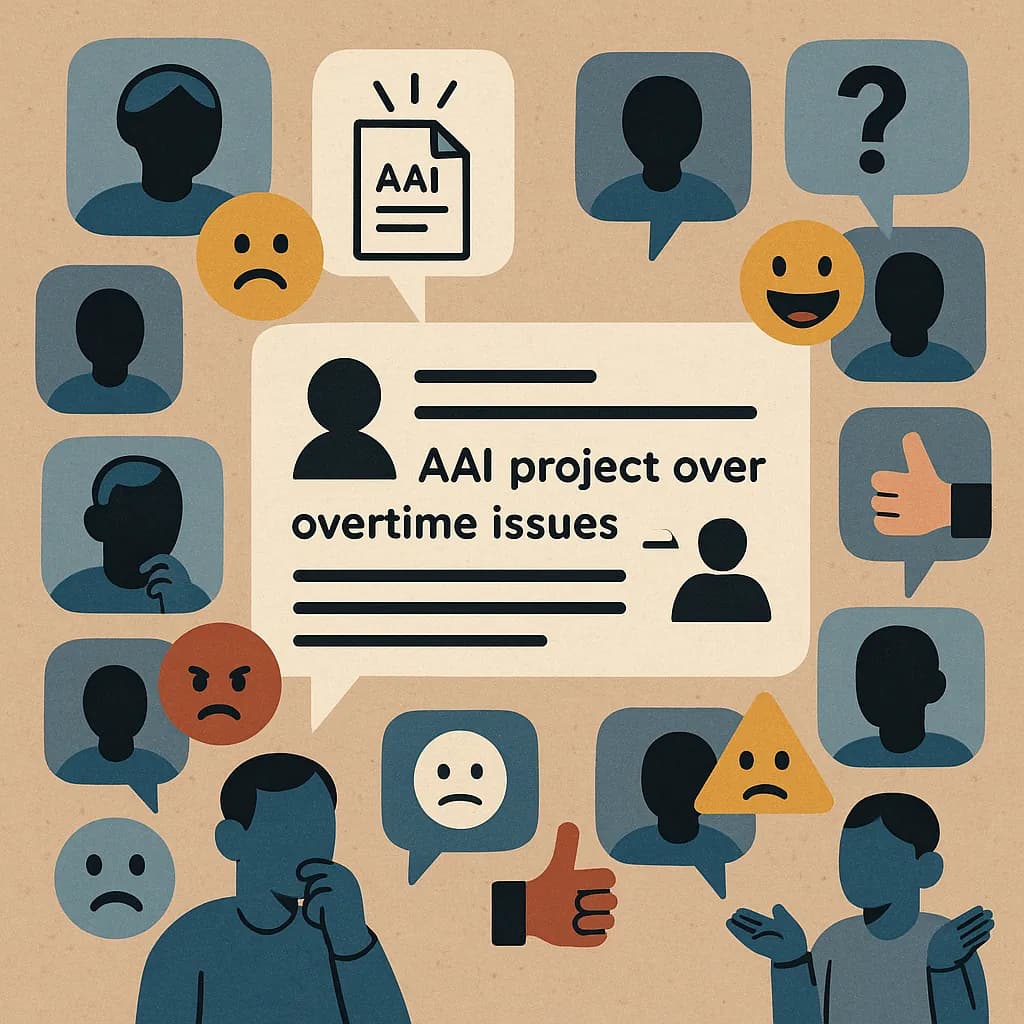
Comments reveal a divided sentiment: many sympathize with the employee's stress over the AAI project overtime issues and the heavy workload, while others debate compensation fairness and question the possibility of avoiding such assignments. Some commenters point out that compensation may not increase despite the heavier workload, intensifying frustration. Discussions also touched on industry hiring trends and the growing reliance on new graduates in such projects. The community reflects a mix of resignation, humor, and skepticism about choice and recognition within these priority projects.
This post ties into broader issues of tech workload management, employee dissatisfaction in high-pressure projects, and the challenges workers face in navigating company assignments. The tension around being drafted into priority projects underscores concerns about power dynamics and autonomy in tech workplaces. Additionally, debates about compensation fairness and career progression within such demanding roles reflect ongoing industry struggles with retention and workplace culture. Hiring trends favoring younger employees with high expectations also add complexity to workforce dynamics.
// The Desk Poll
Should employees be forced on priority projects?
Reactions