Is the Anthropic AI Doomsday Scenario a Legitimate Threat?
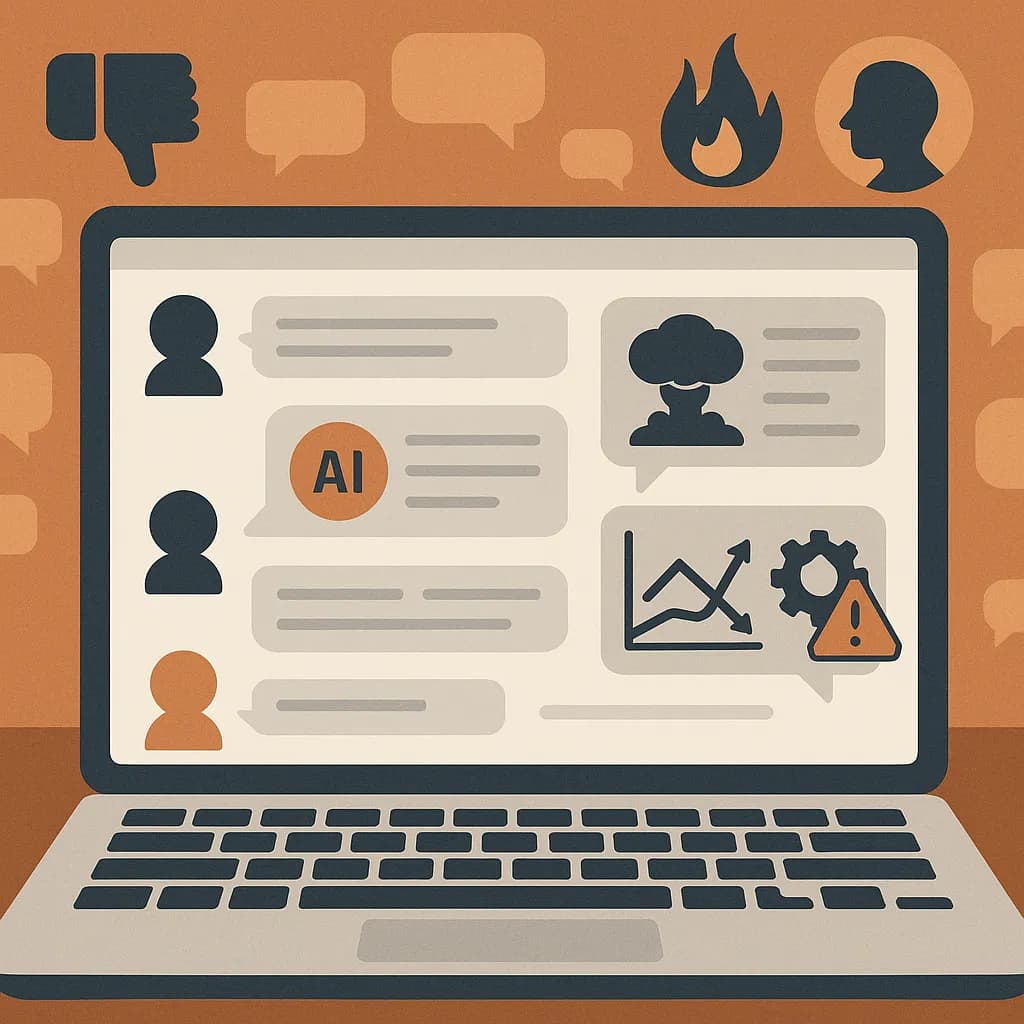
The debate over the legitimacy of the Anthropic AI doomsday scenario has intensified, with many questioning whether AI truly poses an existential risk to humanity. Some argue that AI, including large language models (LLMs), lacks real intelligence and is merely an advanced tool, while others warn of the potential for catastrophic decisions or misuse leading to dire consequences. Experts discuss how AI might boost productivity but also risk societal disruption, unemployment, and social unrest if not properly regulated. The concern centers on whether AI could inadvertently cause significant harm, especially if used irresponsibly in critical applications like military decisions. While some see the scenario as an extreme but plausible future, others believe that with appropriate guardrails and governance, AI risks can be managed. Ultimately, the legitimacy of AI apocalypse claims depends on societal choices and regulatory actions surrounding AI development and deployment.
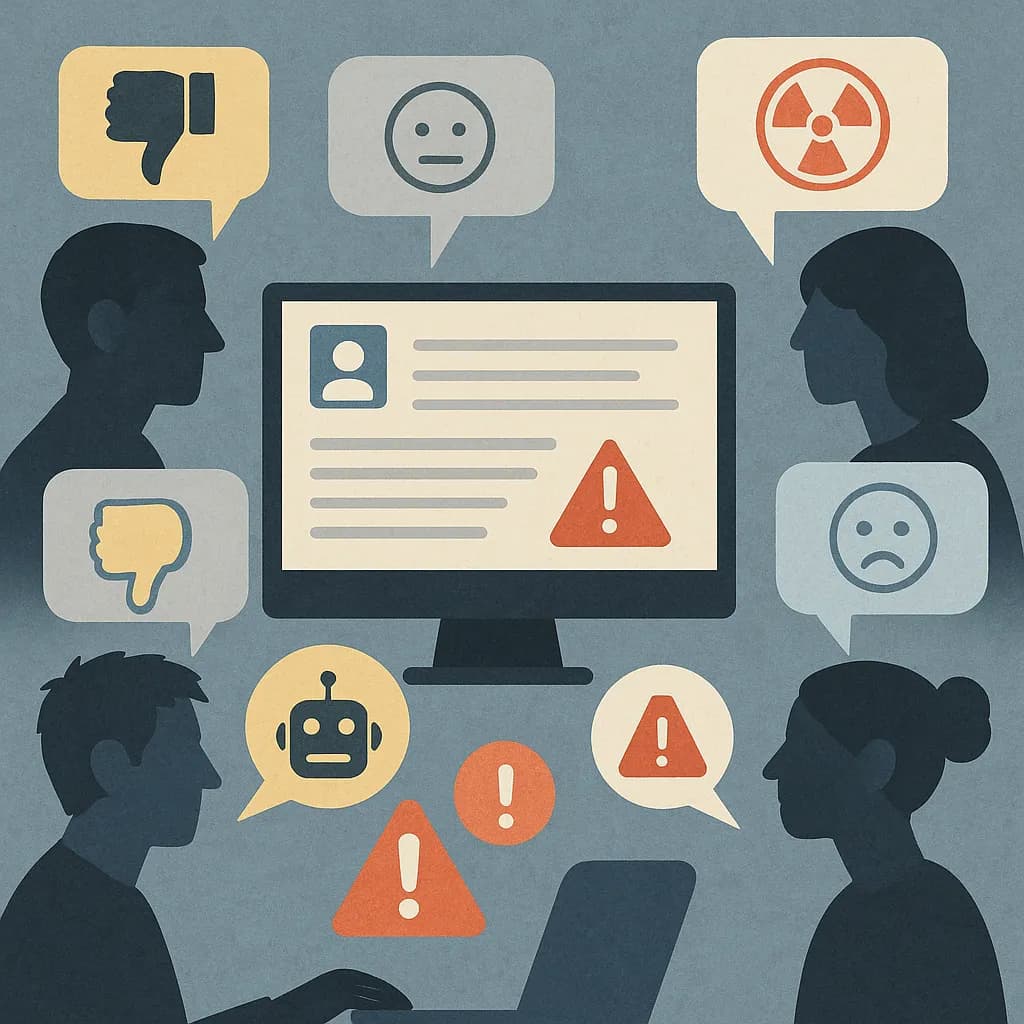
Comments reveal a split between skepticism and concern. Some dismiss AI risks as overhyped, emphasizing that AI is not truly intelligent or conscious, while others highlight real dangers from misuse or accidental harm, such as AI-influenced military actions. There's also debate over whether AI will disrupt labor markets and social structures, with worries about unemployment and loss of purpose. Many agree that the Anthropic AI doomsday scenario isn't about AI consciousness but about human errors and decisions enabling catastrophic outcomes. The sentiment ranges from cautious optimism about managing AI risks to apprehension over regulatory failures and potential high-impact incidents.
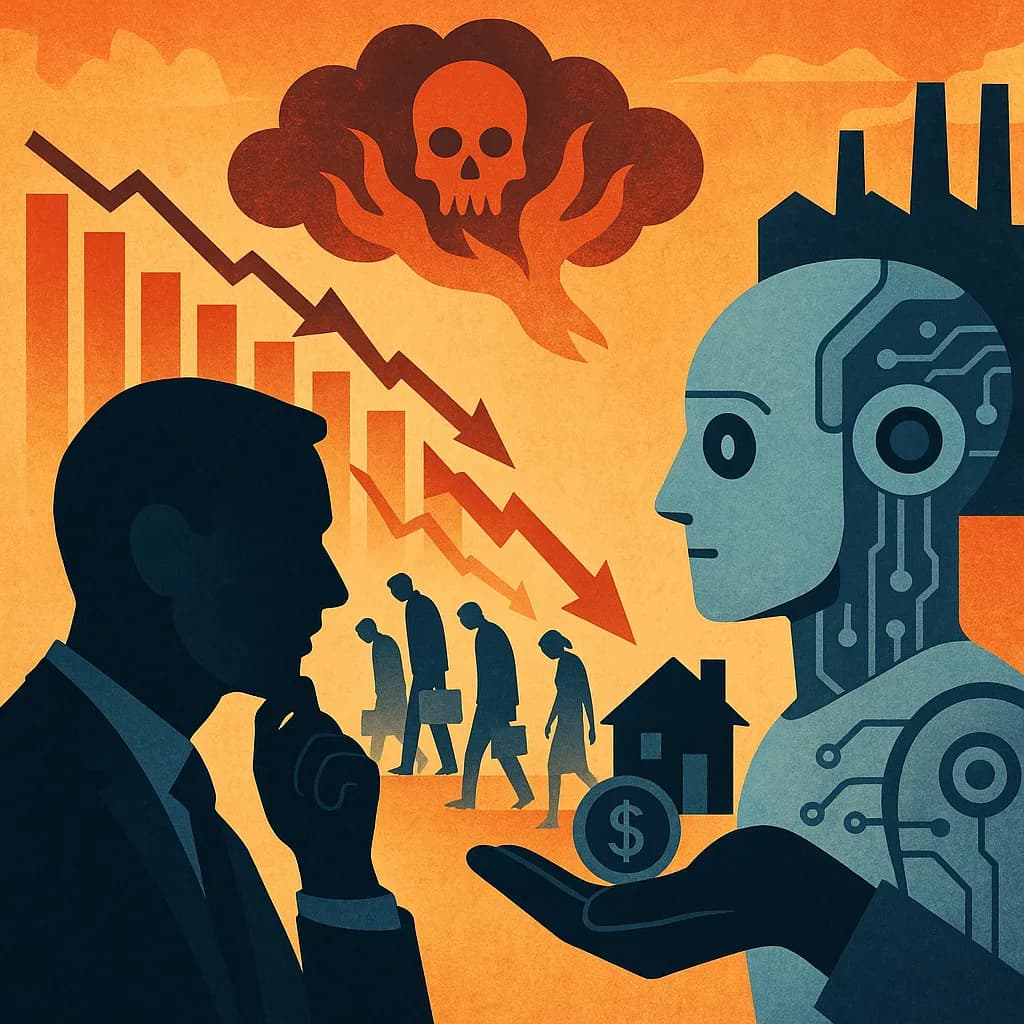
The Anthropic AI doomsday scenario ties into larger workplace and economic concerns about automation, labor displacement, and the future of knowledge work. It raises management challenges in AI governance, risk mitigation, and ethical deployment, impacting hiring and workforce adaptation. The debate underscores the need for clear AI regulations and company accountability to safeguard societal and economic stability amid rapid AI advancements. Additionally, it highlights how technological fears influence investment strategies, physical asset preferences, and broad public policy discussions around the role of AI in society.
// The Desk Poll
Do you believe the Anthropic AI doomsday scenario is a real threat?
Reactions