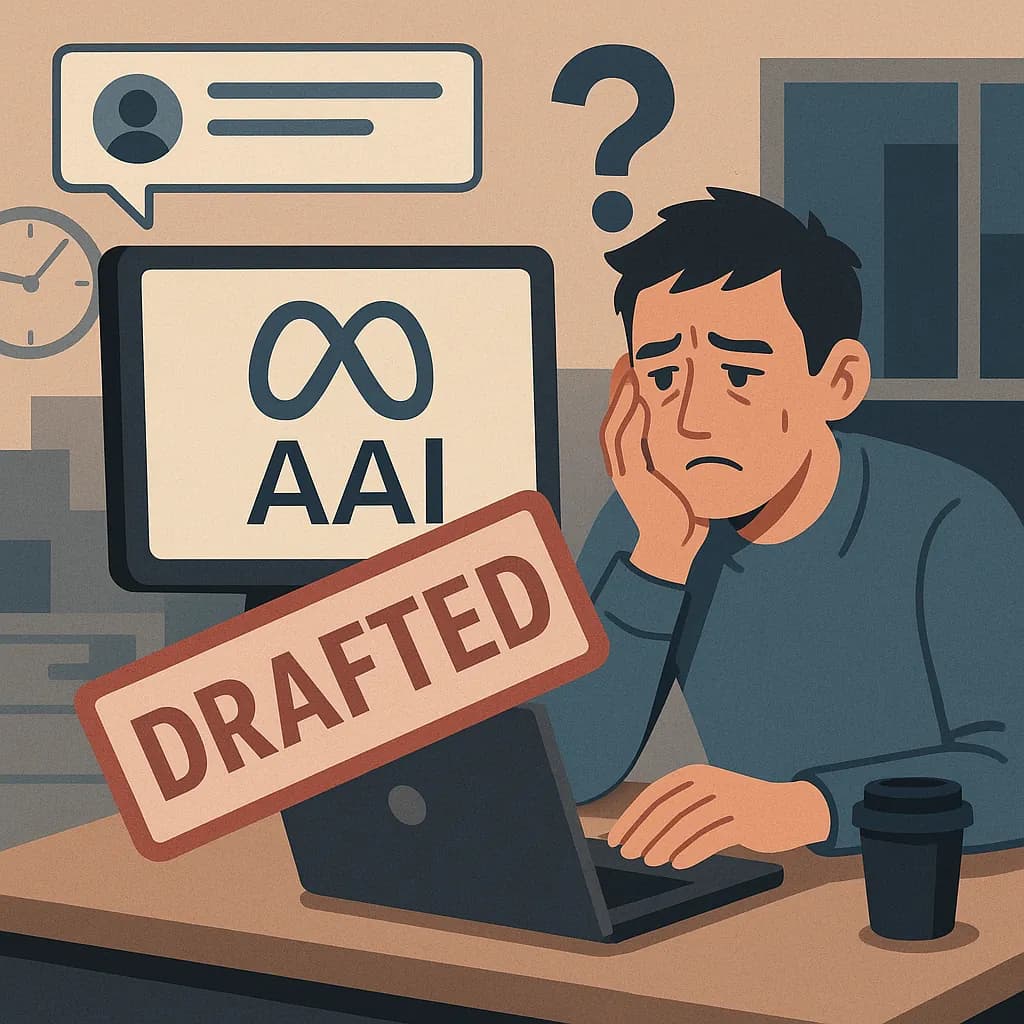
Decoding OpenAI Pay Before IPO: What You Need to Know

OpenAI's pay before IPO combines competitive total compensation with restricted stock units (RSUs) that are not easily liquidated prior to going public. Employees face complexities around cashing out RSUs, despite a comparatively short two-year vesting period. While some report a perceived pay difference impact when switching to OpenAI — sometimes involving role level adjustments — others clarify that levels differ due to internal structuring rather than down levelling. Discussions highlight that OpenAI's base pay is attractive compared to peers, but balancing family financial needs remains a concern for some. The vibrant debate reflects broader uncertainties about IPO compensation, liquidity, and career scope in high-profile AI firms.

Comments reveal a mix of optimism and skepticism. Many acknowledge OpenAI's relatively fast RSU vesting period and opportunities to sell shares pre-IPO, evidenced by significant employee wealth creation. However, others caution about the difficulty in liquidating RSUs and warn against counting on early cash-outs. On pay differences, commenters clarify that level changes stem from internal numbering, not actual down levelling, and emphasize ample scope at all levels. Salary comparisons spark spirited debate, with some underscoring the attractiveness of OpenAI salary and IPO compensation versus concerns over work-life balance and family needs.

This conversation touches on broader tech industry challenges including the valuation and liquidity of pre-IPO equity compensation, the transparency and standardization of pay levels across companies, and the impact of compensation structures on employee retention and satisfaction. It also raises critical questions about managing financial expectations and work-life balance in competitive AI job markets, highlighting tensions between lucrative long-term rewards and immediate financial needs.
// The Desk Poll
Would you accept OpenAI pay with limited RSU liquidity before IPO?
Reactions
// Read Next
How Many Weekly Hours Are Tech Workers With $120k+ Salaries Actually Putting In?
3d ago
// From Another Desk