Why Microsoft Lost Its Edge in Key Tech Battles
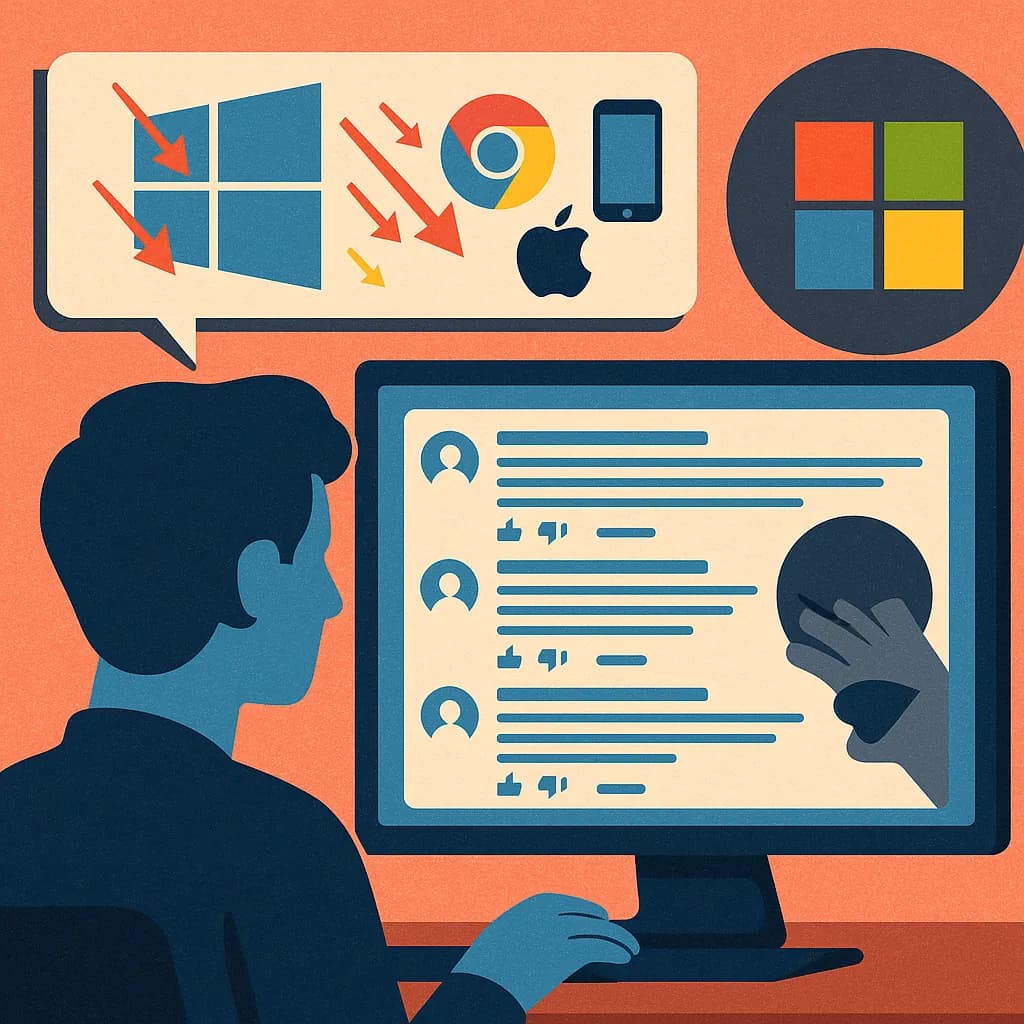
Microsoft once reigned supreme with Windows, yet it has struggled to maintain technological dominance in recent decades. Despite Windows ideally positioning the company to lead various tech sectors, including mobile and AI, Microsoft has frequently played second fiddle to competitors like Apple and Google. Azure stands as a rare exception, but other areas such as browsers, mobile platforms, and search have largely eluded Microsoft’s grasp. This widespread underperformance is widely attributed to internal bureaucracy, flawed processes, and leadership issues that stifle innovation. Employees acknowledge success in niche areas but concur that Microsoft has faltered in the main technological races. The company’s history of cautious, revenue-protective strategies, especially in mobile and AI, contrasts with more aggressive competitors, shaping this narrative of missed opportunities.

Comments reflect a mix of frustration and insider criticism, highlighting specific missteps like the mishandling of the .Net ecosystem and Windows 8’s launch. Many blame bureaucracy and poor leadership for killing innovative projects and fostering an environment where incompetent leaders thrive. Some commenters emphasize the 'innovator’s dilemma,' noting Microsoft’s fear of cannibalizing Windows revenue, which hindered its mobile and AI strategies. Others point out that despite product flaws, Microsoft remains sticky in enterprise sales due to bundling and legacy dominance. The sentiment is largely critical, with calls for more investment in talent and customer loyalty.

The discussion ties into broader workplace concerns around bureaucratic inertia and talent management in large tech firms. Microsoft’s challenges underscore how entrenched processes and leadership complacency can impede innovation, a common theme in tech industry debates. The balance between protecting legacy revenue streams and pursuing disruptive innovation is a critical management dilemma. These issues resonate with hiring practices, employee morale, and company culture necessary for sustained technological leadership. Additionally, the evolving AI landscape presents both challenges and opportunities for legacy tech giants grappling with transformation.
// The Desk Poll
Is Microsoft's cautious strategy to blame for losing tech dominance?
Reactions

// From Another Desk
Is Pinterest the Biggest Tech Company in Decline Amid AI Disruption?
Explore why Pinterest and other tech giants face decline as AI disrupts jobs and culture, impacting employee appeal and industry dynamics.