Why Ass Kissing Often Trumps Hard Work in Workplace Promotion Politics
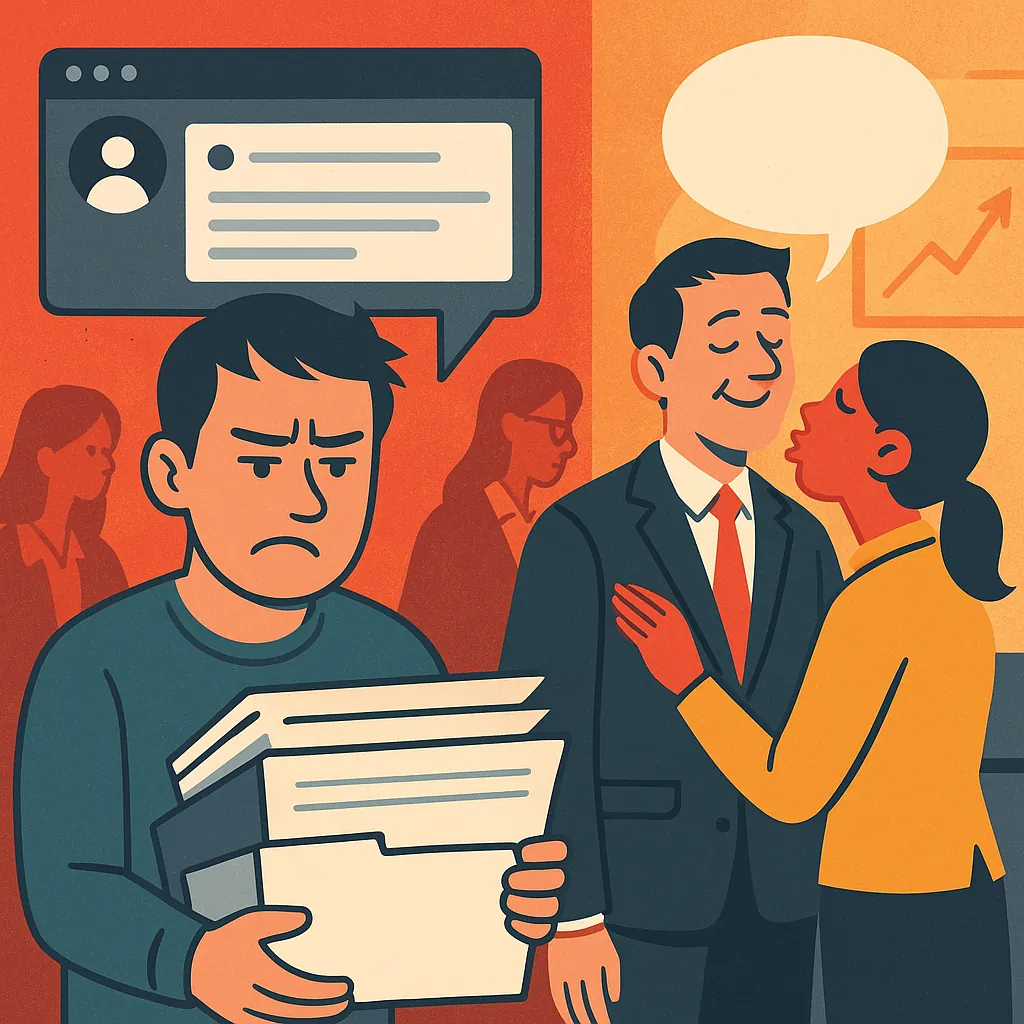
A recent candid Blind post reveals the frustrating reality many employees face: despite diligent effort, managers often receive the credit and the promotions go to those who excel at 'ass kissing.' The author laments that career advancement appears less about competence and more about pleasing management. Sharing their experience of carrying the team workload while others who mirror the manager’s style get promoted, they question what non-sycophantic employees can do. The discussion highlights a divide between meritocracy and workplace politics, where employee recognition is skewed towards those adept at navigating office dynamics rather than solely on hard work. This story resonates widely, sparking debate about how managers credit work and how promotions are influenced by political skills rather than pure competence.
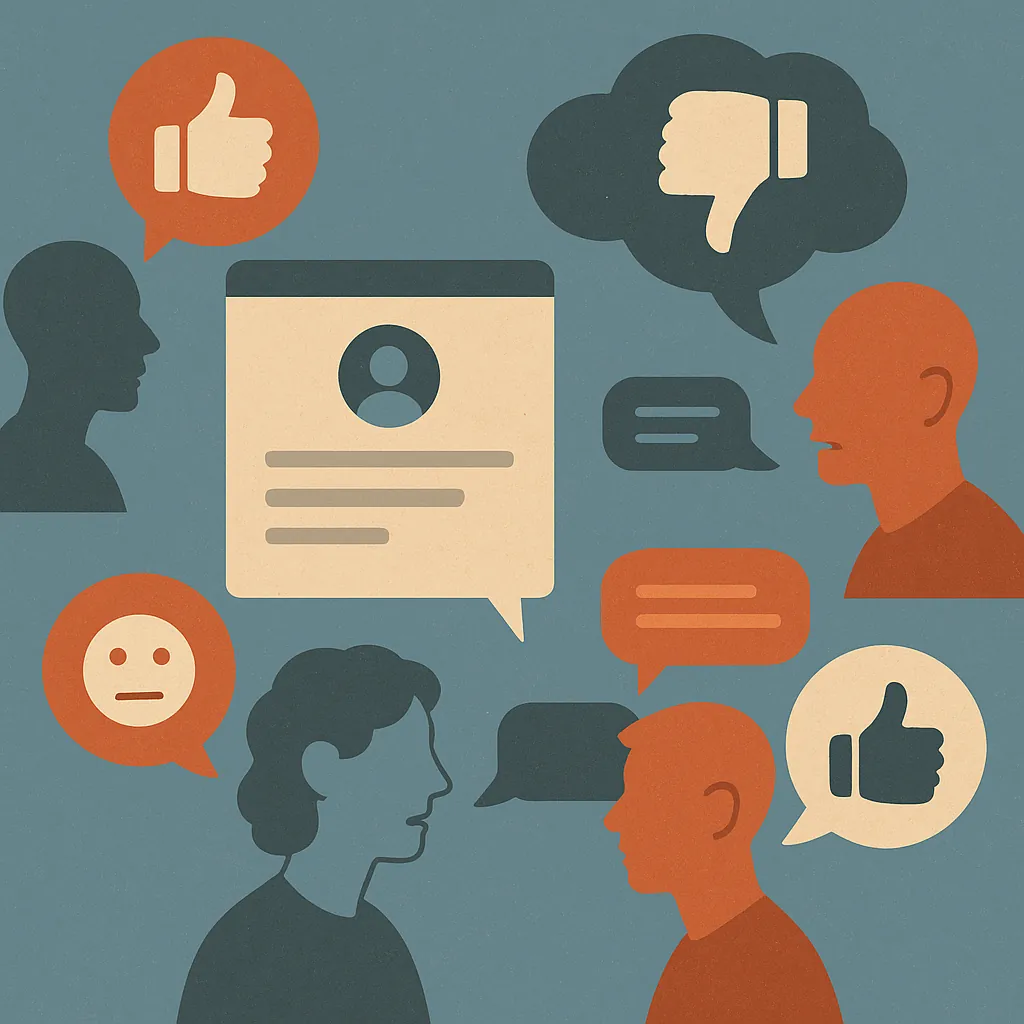
The comments reveal a split in perspectives: some agree that workplace politics and ass kissing at work heavily influence promotions, emphasizing emotional intelligence and visibility over hard work. Others defend meritocracy, arguing that competence does factor in and accusing the original poster of bias or exaggeration. Several comments touch on the role of managers crediting work and the importance of self-promotion and solving managers' problems. The conversation also touches on systemic issues in white-collar jobs, questioning the true value added by employees and the impact of corporate culture on career advancement.

This post connects to broader issues in workplace politics, including the challenge of gaining employee recognition in hierarchical organizations, the interplay between meritocracy and favoritism, and the reality of managers often taking credit for team efforts. It also relates to talent retention, employee morale, and how modern corporate culture values political savvy alongside technical competence. In the tech industry and beyond, these dynamics affect hiring, promotion decisions, and overall organizational health.
// The Desk Poll
What drives promotions more often?
Reactions