Why Are Amazon New Grad Sign On Bonuses So High Now?
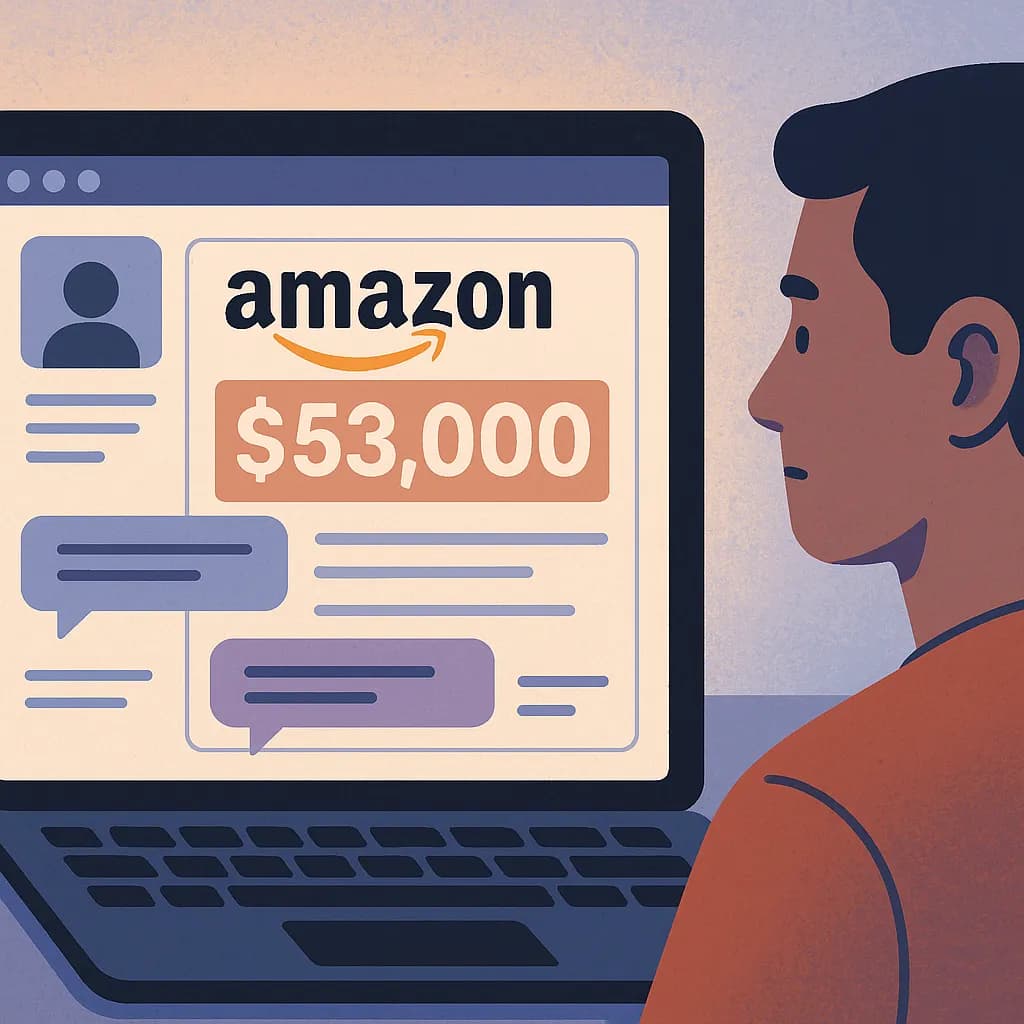
Recent reports reveal Amazon offering new graduates sign on bonuses as high as $53,000, sparking discussions on the rising trend of high sign on bonuses in the tech industry. Unlike typical offers, Amazon's bonus is paid out in the first paycheck but must be 'earned' over the first year, with prorated repayment required if the employee leaves early. This approach offsets a typically lower stock vesting schedule during the initial years, making these bonuses a critical component of total compensation for new hires. Commenters noted that while Amazon has offered large sign on bonuses in past years, today's amounts are notably higher and reflect broader industry patterns where companies like Meta have offered even higher bonuses. This trend raises questions about the balance between base tech salaries and sign on bonuses, especially given the tax implications and performance expectations tied to these incentives.

Comments show a mix of surprise and skepticism about the scale and structure of Amazon's new grad sign on bonuses. Many users acknowledge that Amazon's approach has been consistent for years but has grown in size, while others compare it to bonuses at other major tech firms like Meta. Discussions highlight concerns over the repayment policy, tax impacts, and burnout risks related to intense performance management practices at Amazon. Some participants expressed a preference for higher base tech salaries over large sign on bonuses, citing long-term financial stability. The community also debated the fairness and practicality of these bonuses amid rising inflation and varying net worth among graduates.

This discussion ties into larger themes about tech industry compensation strategies, employee retention challenges, and the role of sign on bonuses versus base salaries in competitive hiring markets. The use of repayment policies on sign on bonuses reflects employers' attempts to protect investments amid high turnover risks. Additionally, these trends reflect broader economic factors including inflation, cost of living adjustments, and the increasing pressure on new graduates to negotiate lucrative packages to offset student debt. The debate also touches on workplace culture and management practices, particularly the impact of performance improvement plans on new hires' job security.
// The Desk Poll
Do you prefer a high sign on bonus or a higher base salary?
Reactions
// Read Next
How Many Weekly Hours Are Tech Workers With $120k+ Salaries Actually Putting In?
3d ago
// From Another Desk
Evaluating and Negotiating Your Google L7 Offer vs Oracle IC5 Salary
Analyze a Google L7 offer versus Oracle IC5 salary and learn how to negotiate compensation for tech offers effectively in high-level roles.