When Hard Work Isn't Enough: Navigating Employee Promotion Disappointment
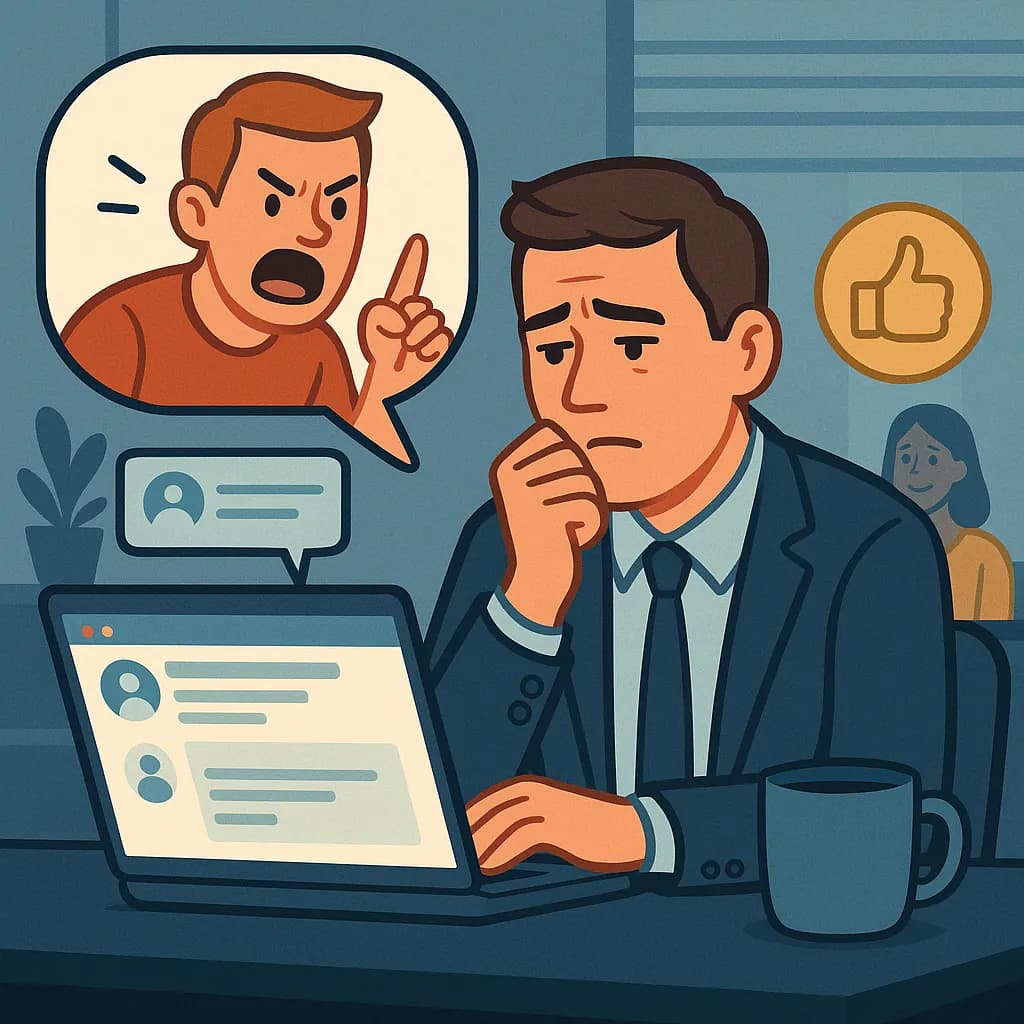
A manager faced a tense situation when an employee expressed deep disappointment after being passed over for a promotion. The employee, who often worked nights and weekends, felt undervalued compared to a colleague who logged fewer hours but had more visible impact. This scenario highlights the tension between work hours and measurable impact in promotion considerations. The manager acknowledged liking the hardworking employee but struggled with how to communicate the promotion decision honestly. The challenge lies in balancing recognition for diligent effort with organizational needs and promotion criteria. The post sparked a debate about fairness, visibility, and the manager's role in setting expectations and advocating for their team members.

Comments reveal polarized views on managing team promotion conflicts. Many criticized the manager for failing to provide clear expectations and visibility, viewing the lack of honest communication as a betrayal. Others debated the role of visibility versus hours worked in employee promotion, with some suggesting favoritism or politics often outweigh genuine impact. Several commenters emphasized that good management includes advocating for employees and setting clear career paths. The discussion showcased frustration around perceived inequities in promotion processes and the complexities of managing team dynamics.

This case taps into broader issues in workplace conflict and team management, especially around how companies measure and reward employee contribution. The struggle between valuing long hours versus visible impact reflects challenges in tech and many industries where promotion criteria are often subjective. It also raises questions about managerial responsibilities in employee development, transparency, and fairness. Moreover, it speaks to employee engagement and retention risks when promotion disappointments are not handled well, underscoring the need for inclusive talent management strategies in evolving work environments.
// The Desk Poll
Should promotions prioritize impact over hours?
Reactions