US Suspends Microsoft Visa Program Amid Immigration Policy Concerns

The US government has suspended a visa program specifically tied to Microsoft, drawing criticism and attention to immigration policy issues in the tech industry. This move highlights ongoing concerns about potential abuses in visa systems, particularly involving major tech firms. While Microsoft employees can still obtain H1B visas, the suspension affects their ability to secure permanent residency, leading to fears of instability and wage pressures among immigrant workers. Discussions around this visa suspension have sparked broader debates about tech immigration, outsourcing, and the future of American tech talent. Some argue this will encourage hiring of American workers, while others worry it may push companies to offshore roles and reduce the US tech sector's global competitiveness. The shift also reflects deeper tensions about balancing national interests with the needs of a global workforce in technology.

Comments reveal a divided sentiment. Many express skepticism about the effectiveness of the visa suspension, noting Microsoft employees can still get H1B visas but not permanent residency, increasing worker instability. Others highlight the potential benefits for American workers and the opportunity to hire domestic talent. Some foresee increased offshoring and outsourcing to countries like India, potentially strengthening foreign tech hubs. There is also discussion about broader economic impacts, including India's growing tech sector and the evolving nature of innovation focusing on AI and elite talent rather than mass labor imports. The debate underscores concerns over fairness, economic strategy, and immigration reform in tech.
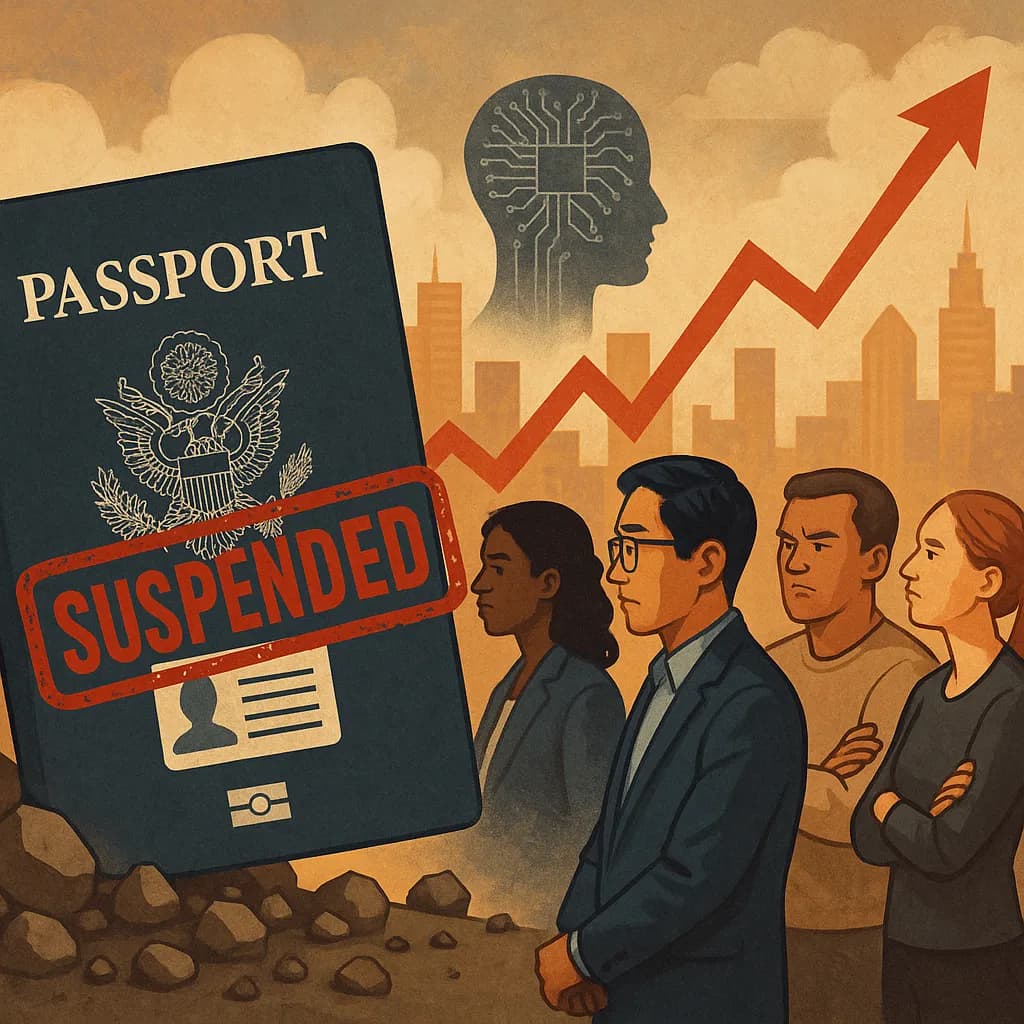
This visa suspension connects to broader issues in the tech industry such as immigration policy reforms, tech talent shortages or surpluses, outsourcing trends, and the balance between hiring foreign workers versus domestic employees. It also touches on economic competitiveness, wage dynamics, and long-term innovation strategies focused on artificial intelligence and skilled labor. The policy reflects ongoing tensions in managing global talent flows and the US’s position in the international tech landscape amid geopolitical competition and workforce changes.
// The Desk Poll
Should the US continue restricting Microsoft’s visa programs?
Reactions
// From Another Desk