Uber Announces 10% Layoff in 2024, Targeting Management Layers and Robotaxi Business
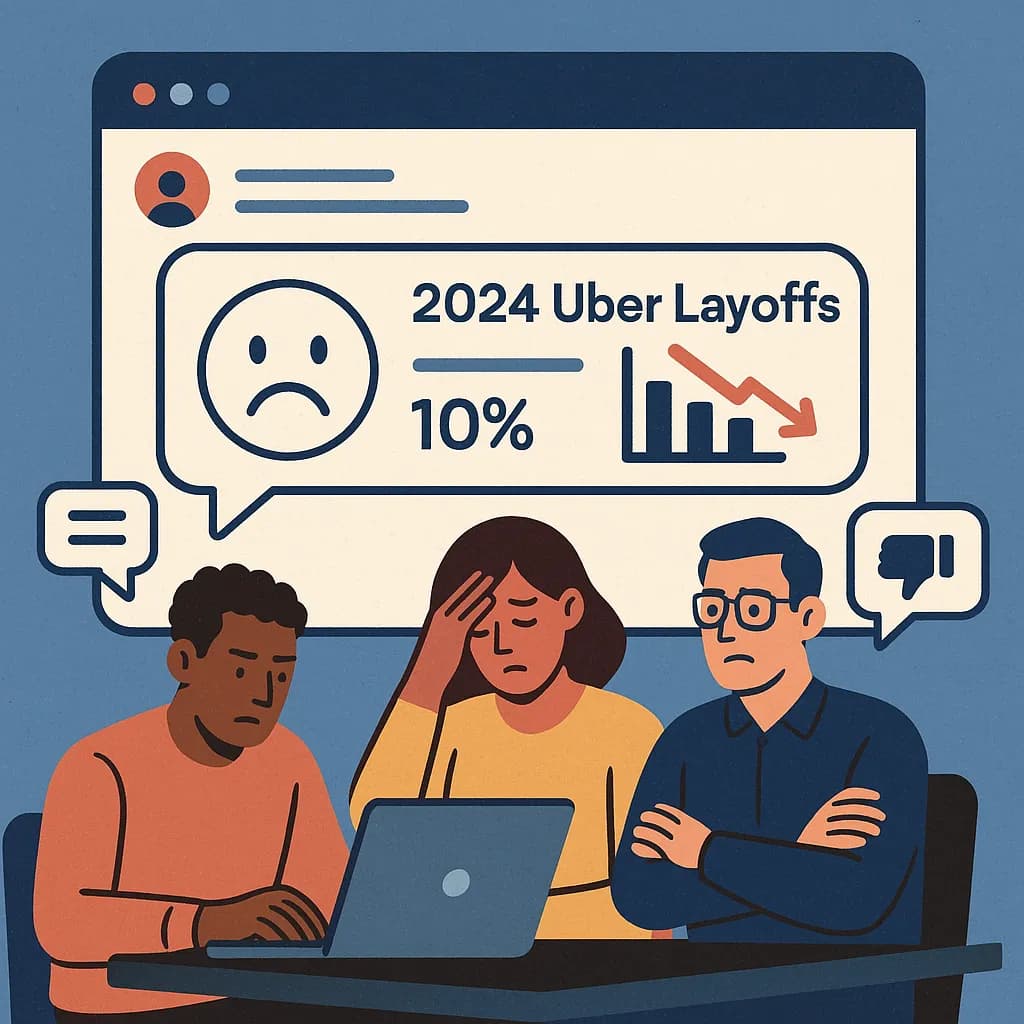
Uber has announced a significant 10 percent layoff in 2024, affecting approximately 3,300 roles globally. This move focuses on reducing management layers by 20% and reallocating resources towards its core ride-sharing, delivery, and robotaxi businesses. The restructuring will shrink small teams and eliminate positions more than seven layers below the CEO. Both tech and non-tech employees, including tenured engineers and managers, are impacted across various locations, including significant effects in India and the Bay Area. This strategic shift reflects Uber's aim to streamline operations amid a challenging tech employment landscape. The layoffs echo broader trends in the tech industry, where companies are focusing on sustainable growth and operational efficiency.

The comment section reveals mixed emotions and perspectives. Many users express concern over the harsh realities of tech layoffs, with some citing similar experiences at other companies. There is debate about the role of management layers and the company’s restructuring strategy, with skepticism about the necessity of many managerial positions. Several comments touch on broader societal and economic issues, including the impact of AI on jobs and political opinions regarding capitalism and socialism. Regional impacts differ, with some noting minimal effects in countries like India, while others report significant job losses. Overall, the sentiment is a blend of frustration, resignation, and calls for political and economic change.
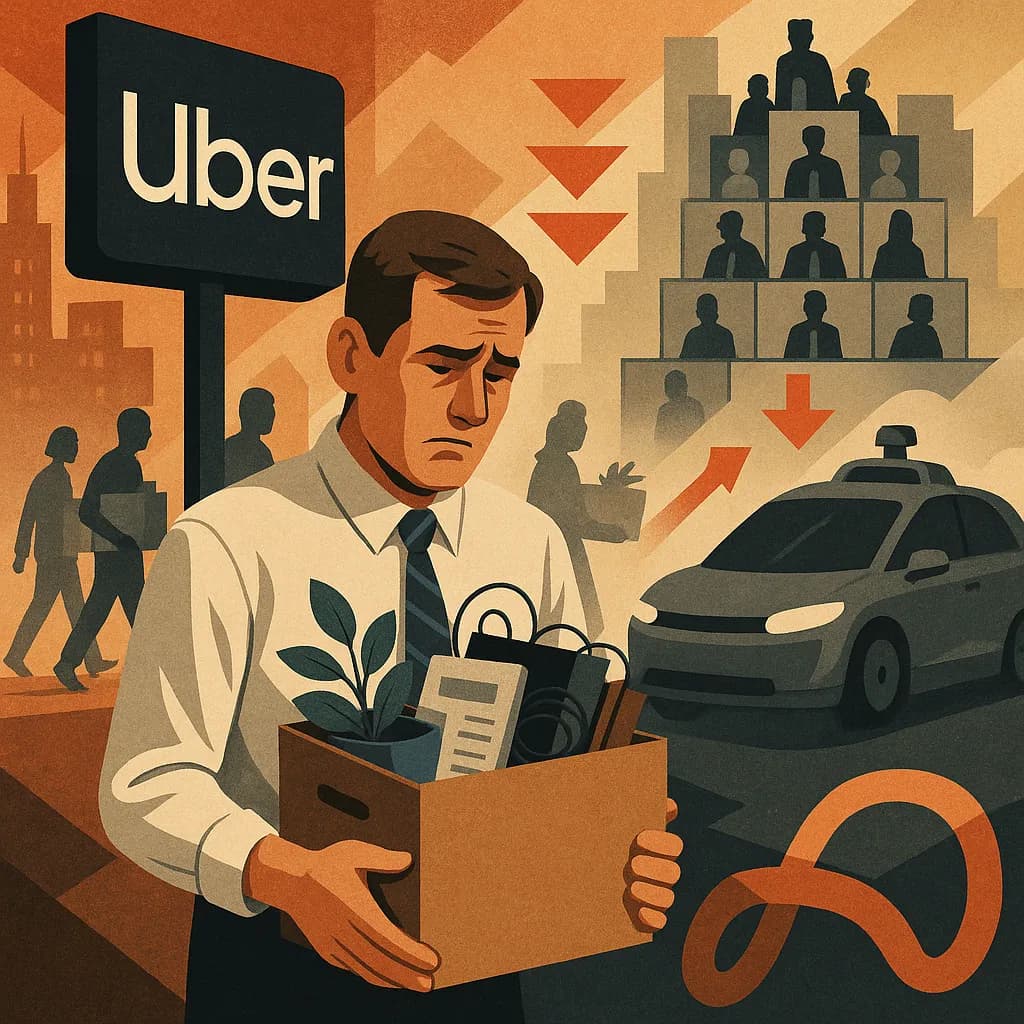
Uber's 10 percent layoff mirrors widespread tech layoffs and raises questions about management efficiency and organizational restructuring in the digital economy. The focus on reducing Uber management layers highlights a trend of streamlining hierarchical structures to improve agility and cost-effectiveness. Additionally, reallocating spending towards the robotaxi business underscores the strategic pivot to emerging technologies amid competitive pressures in ride-sharing. These developments reflect broader workplace challenges, such as balancing innovation with workforce stability and the evolving social contract in the age of AI and automation.
// The Desk Poll
Do Uber's 2024 layoffs signal necessary reform or deeper industry troubles?
Reactions