The Impact of H1B Visa Restrictions on America's Tech Workforce
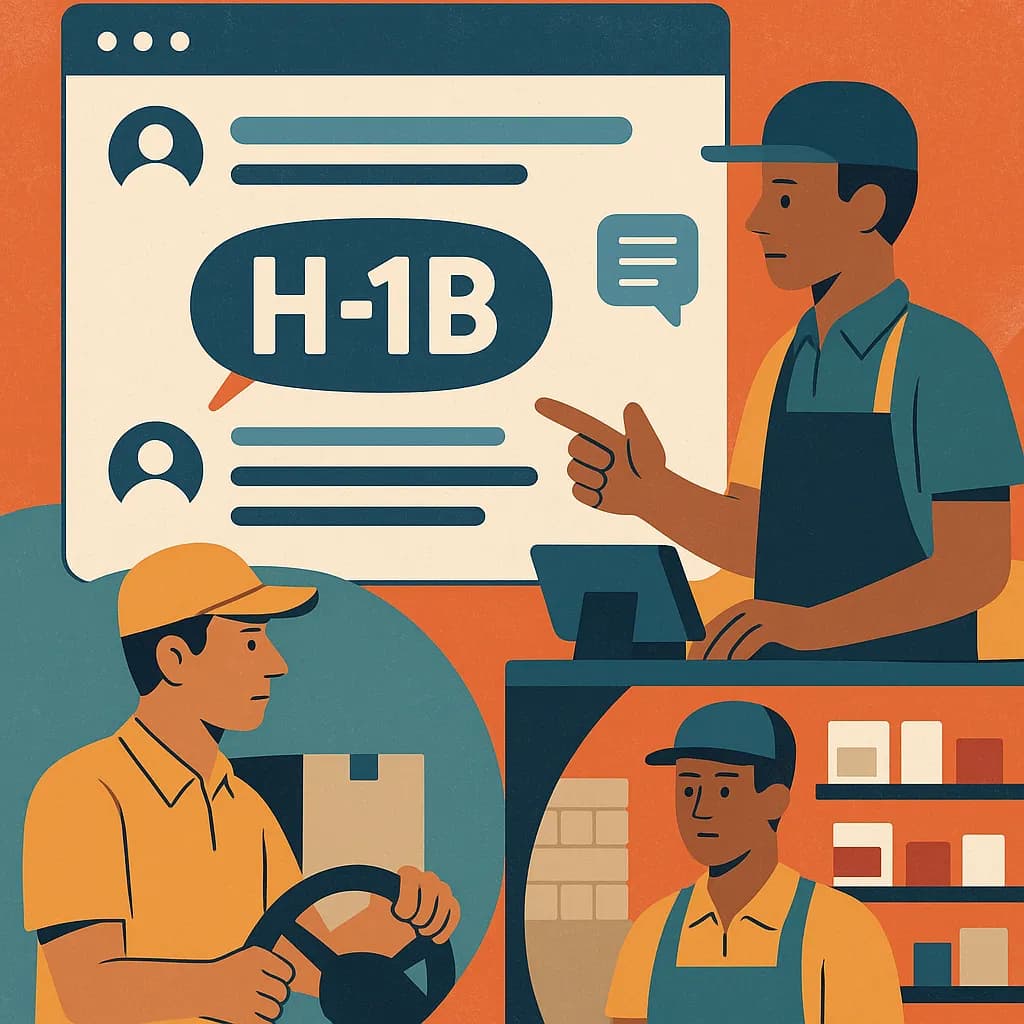
The debate around the H1B visa program has intensified, focusing on its crucial role in sustaining America's tech and service industries. Critics argue that restricting H1B visas could disrupt not only high-skilled sectors like technology but also everyday roles often overlooked, such as drivers and convenience store workers, though some dispute the presence of H1B holders in these roles. Discussions reveal tensions about the balance between protecting American jobs and leveraging the 'best and brightest' global talent. Many emphasize that the H1B visa is a temporary work permit, and policy changes could have wide-reaching consequences for tech immigration and the broader workforce. The conversation highlights concerns over workforce shortages if visa bans continue, and the need for nuanced immigration and hiring policies. Ultimately, the future of tech immigration remains uncertain, with stakeholders urging thoughtful reforms rather than abrupt bans.
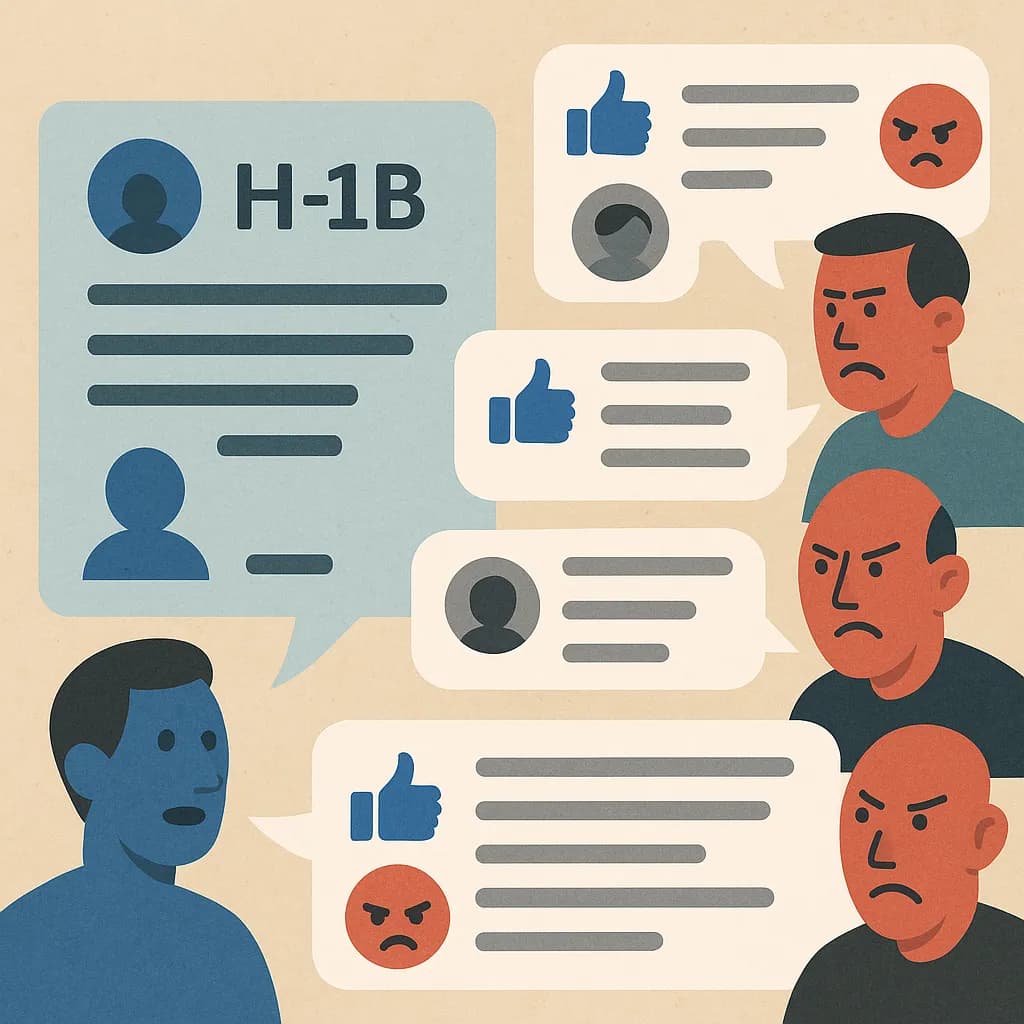
Comments reflect a polarized sentiment. Some defend the H1B visa as essential for filling critical tech roles requiring advanced skills, while others criticize perceived abuses of the program and argue it displaces American workers. Several commenters challenge misconceptions about H1B holders working menial jobs like 7/11 cashiers, emphasizing the visa's role in high-skilled employment. Others express frustration over immigration policy and societal tension, highlighting cultural and economic anxieties. The debate reveals divisions over workforce shortage concerns, the ethics of tech immigration, and the impact of visa restrictions on industries beyond tech. Overall, the discussion underscores the complexity and emotional charge surrounding H1B visa policies.
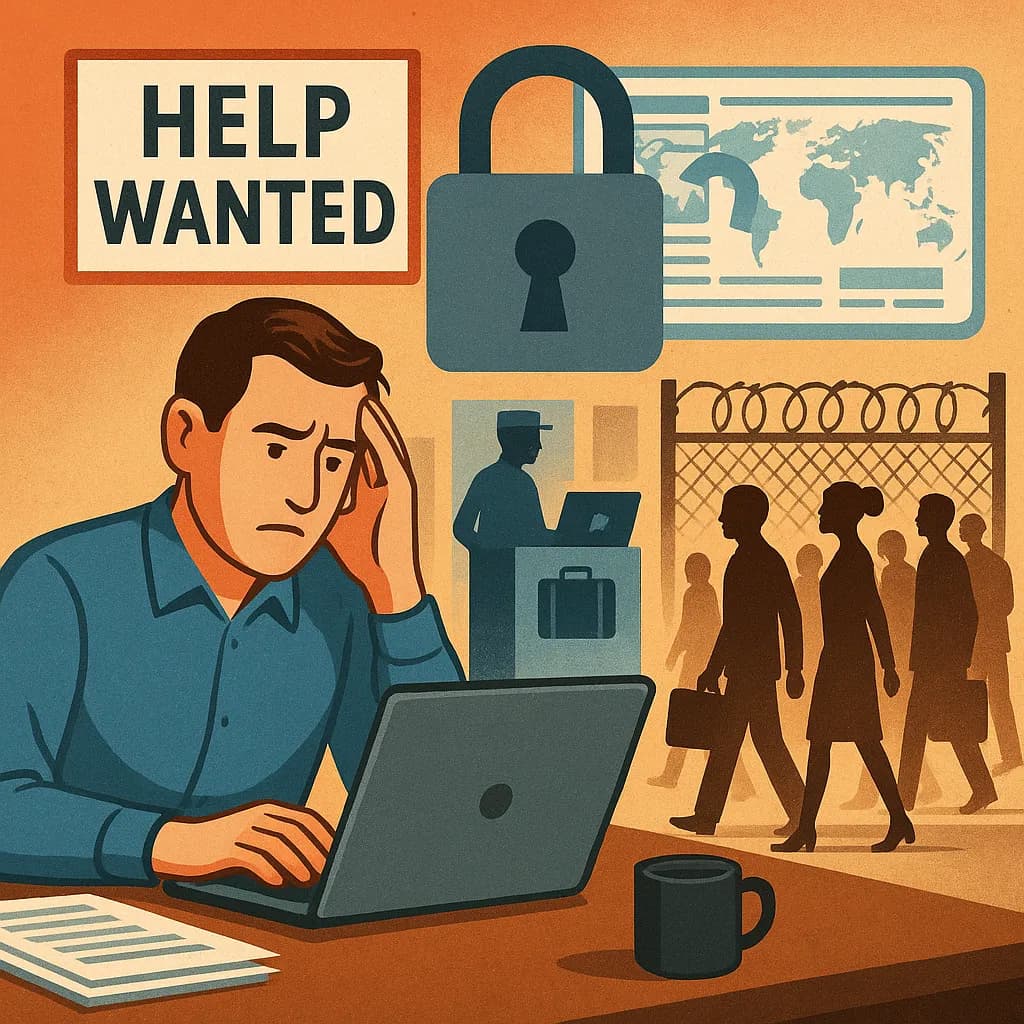
This conversation ties into broader issues of labor market dynamics, such as talent acquisition and retention in tech, the role of immigrants in economic growth, and the ethical dimensions of immigration policy. Additionally, it touches on challenges companies face regarding visa sponsorship, the risk of workforce shortages, and debates over 'brain drain' versus domestic job displacement. The discussion also relates to economic nationalism, workforce diversification, and evolving management strategies in global talent sourcing. Addressing visa restrictions requires balancing national interests with maintaining competitive advantage in tech innovation.
// The Desk Poll
Should the US restrict new H1B visas?
Reactions