The High Cost of Lying on Resumes When Asking for Job Referrals
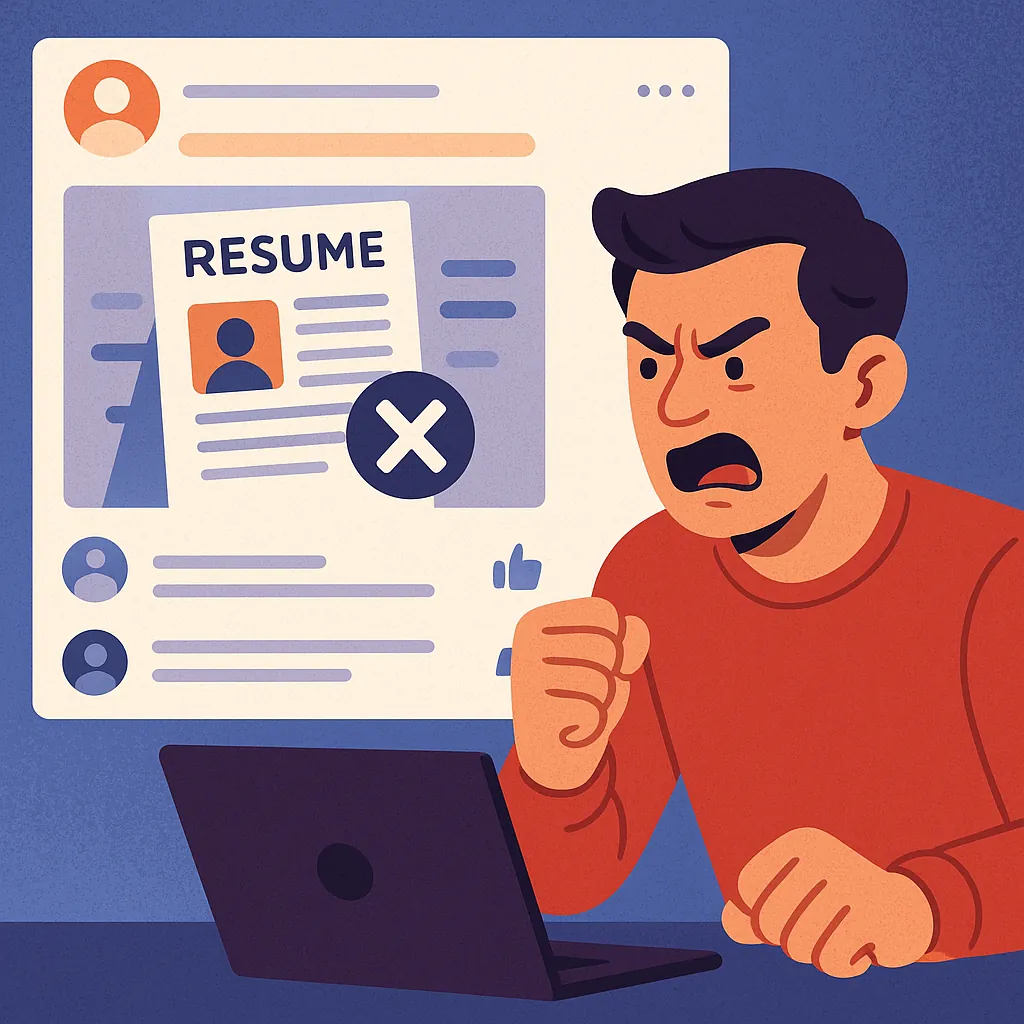
A recent rant highlights the frustrations of professionals dealing with resume lies during job referrals. The author calls out colleagues who fabricate experiences, such as falsely claiming leadership roles, despite previously working with them. This dishonest behavior compromises both personal integrity and workplace trust. The post sparks debate, with commenters divided between understanding minor resume embellishments and condemning outright deception. The issue raises concerns about the reliability of referrals and the consequences of resume fraud in the tech industry. Ultimately, it emphasizes the importance of honesty in job referrals and maintaining workplace integrity.

Comments reveal a split reaction: some sympathize with the urge to slightly embellish resumes to help friends, while others stress that lying damages trust and can lead to negative outcomes like poor job performance or termination. Many agree that referring someone who falsifies their background jeopardizes the referrer’s credibility and workplace integrity. The discussion underscores the risks and ethical dilemmas surrounding resume lies in job referrals.

This post connects to broader challenges in hiring practices, including the verification of candidate information and the impact of referral dishonesty on team dynamics. Resume fraud in the tech industry not only undermines recruitment processes but also affects workplace culture and employee morale. The economic pressure to secure jobs can incentivize dishonest behavior, making it critical for companies to balance trust with thorough vetting to uphold integrity.
// The Desk Poll
Is lying on resumes ever acceptable?
Reactions

// From Another Desk