Microsoft Faces Backlash Over Persistent Windows and Teams Bugs

Microsoft users are expressing intense frustration over persistent bugs affecting Windows Explorer, Start menu, Taskbar, Teams, Outlook, and Task Manager. Complaints highlight frequent redesigns of the Start menu that fail to address fundamental issues, leading to a decline in software reliability. Insider comments reveal concerns about the prioritization of new AI features over fixing core bugs and the reduction of QA roles impacting software quality. Users compare Microsoft unfavorably to Linux and MacOS, noting sluggish performance and integration problems among Microsoft products. The ongoing issues underscore challenges in maintaining product stability amid rapid feature development and shifting company priorities.
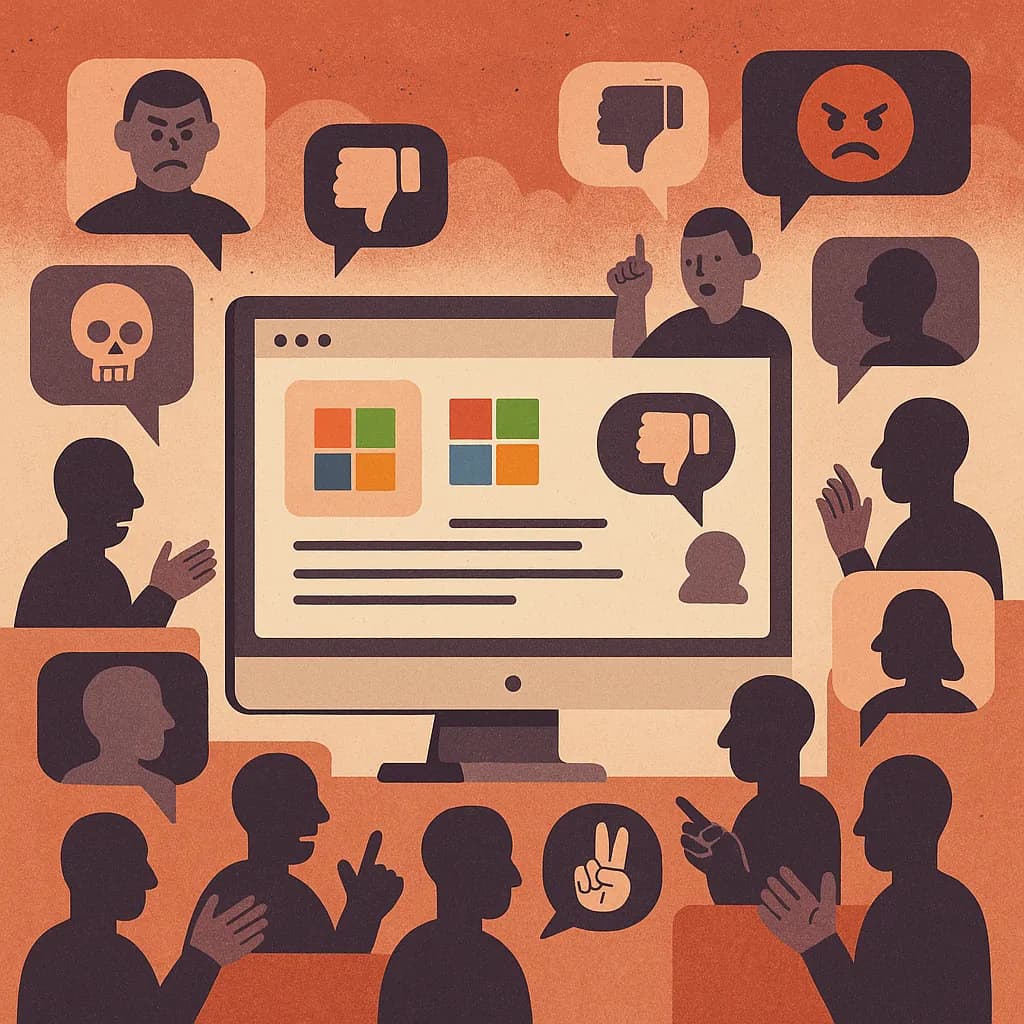
The community exhibits deep dissatisfaction with ongoing Microsoft bugs, particularly in Windows Explorer and Teams, with many blaming reduced quality assurance and a focus on AI over core fixes. Some defend the complexity of the software, while others lament the degradation of product polish and speed. There is also notable division over company culture, with insiders criticizing management decisions that reward new feature impact rather than thorough bug fixing.

This software instability reflects broader workplace challenges such as the shift from dedicated QA roles to developer-owned quality, the impact of rapid feature shipping driven by business priorities, and the tensions around AI integration in established products. It highlights how management and hiring strategies at tech firms can influence product quality and user satisfaction, with potential consequences for brand reputation and user retention.
// The Desk Poll
Is Microsoft neglecting bug fixes?
Reactions