Managing Gen Z Employees: Challenges with Punctuality and Workplace Behavior

A manager struggles with a young Gen Z employee who consistently pushes back on requests, arrives late to meetings, misses deadlines, and is distracted on his phone during discussions. Despite efforts to communicate directly and provide context, the employee remains unresponsive and disengaged. The post sparked heated discussions about generational differences, economic frustrations, and workplace expectations. Many commenters argue that expensive housing and job instability explain Gen Z's attitude, while others defend managerial standards and call for accountability. This case highlights common challenges when managing Gen Z employees and navigating evolving workplace dynamics.

Commenters are divided between sympathizing with the manager's frustrations over workplace conflicts and empathizing with Gen Z’s financial and economic pressures that impact their engagement. Some blame generational entitlement or lack of work ethic, calling for stricter management or termination. Others highlight housing unaffordability, job insecurity, and stress as root causes, criticizing older generations for being out of touch. The discussion also touches on changing attitudes towards loyalty and motivation in the tech industry.
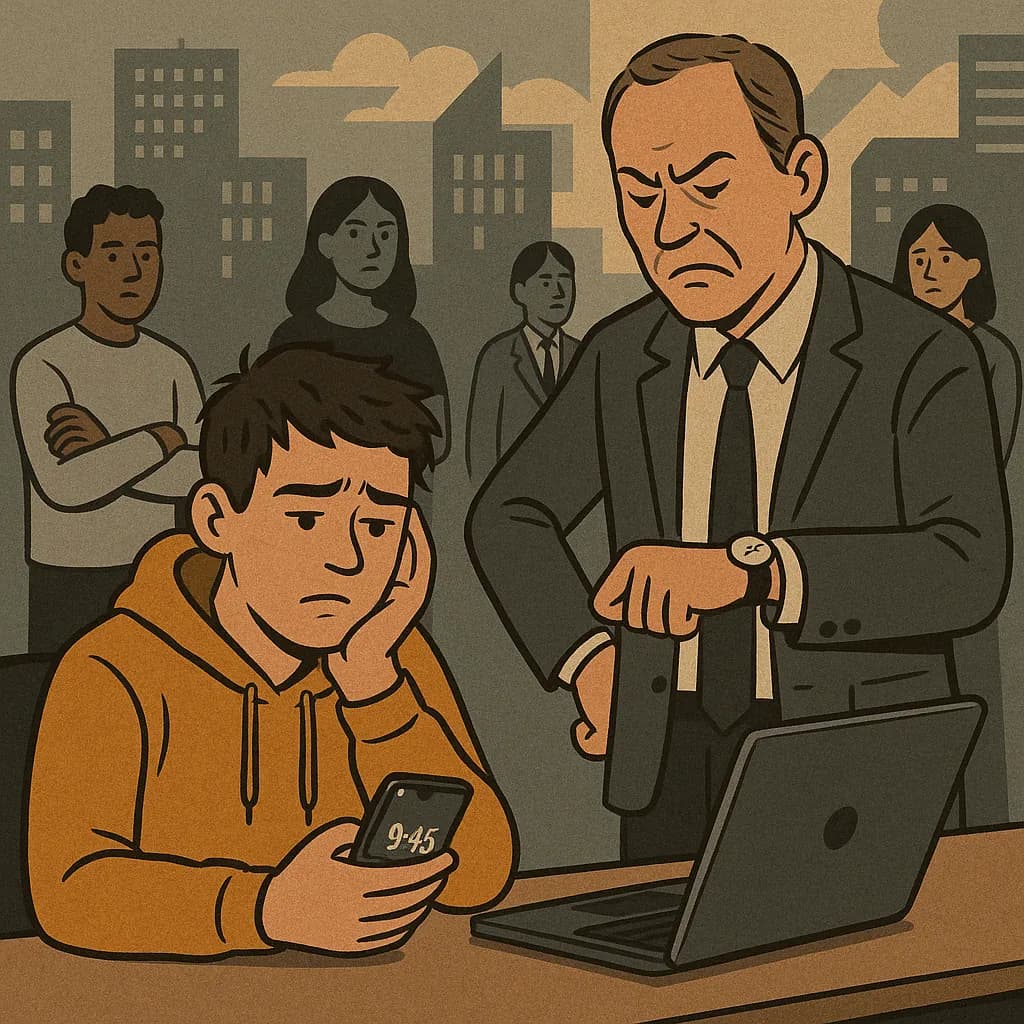
This post reflects broader challenges in managing Gen Z employees facing unprecedented economic hardships, such as skyrocketing housing costs and frequent layoffs, which influence workplace behavior and punctuality. It also illuminates tensions in workplace culture as younger workers question traditional expectations and managers struggle to adapt their styles. The tech industry's competitive environment and economic uncertainty compound these issues, emphasizing the need for thoughtful management strategies addressing generational differences, employee well-being, and retention.
// The Desk Poll
Are Gen Z employees less reliable?
Reactions