Is the Double Income No Kids (DINK) Lifestyle the Ultimate Financial Advantage?
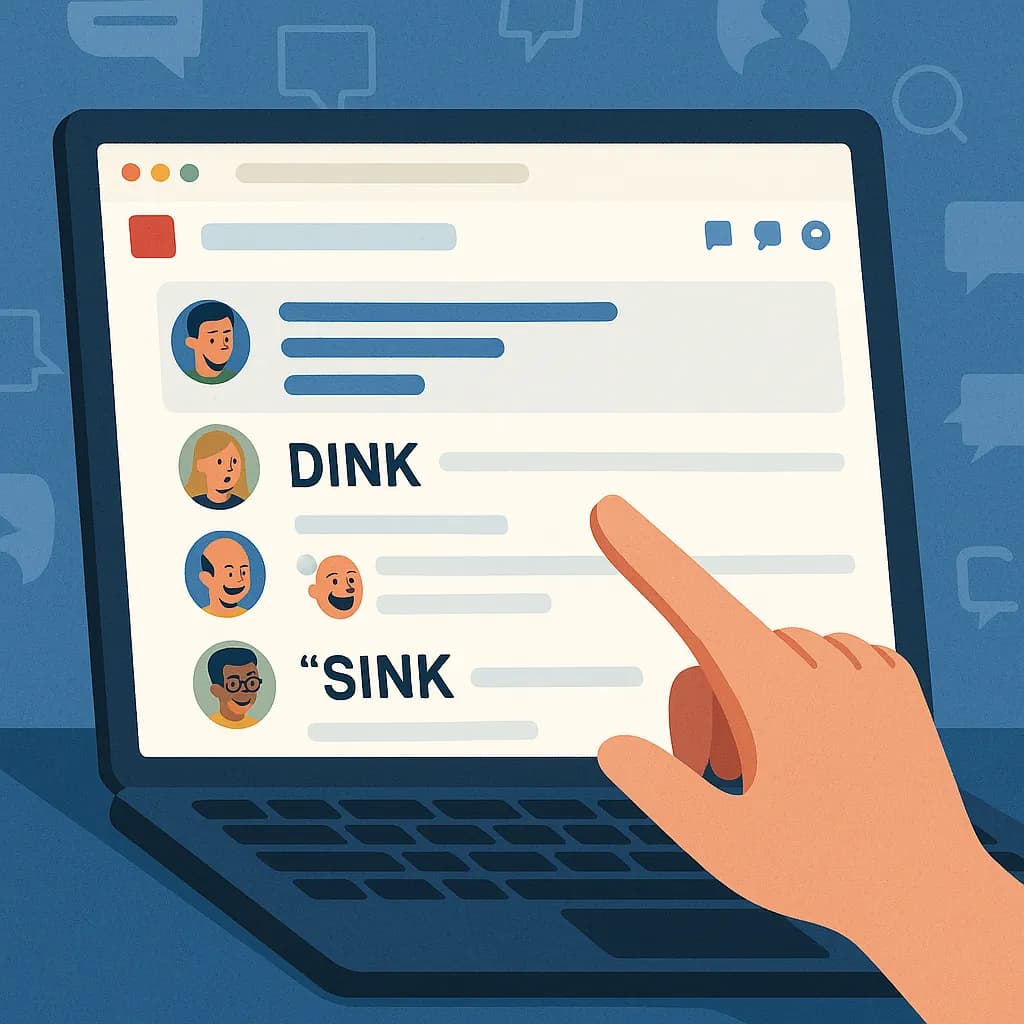
A recent poll on the popular Blind platform asked tech professionals whether they identify as DINK—Double Income No Kids. Out of 191 participants, a significant minority embraced the DINK lifestyle, often praised for its financial benefits. Comments reveal a mixture of envy and humor, with some users highlighting alternate acronyms like SINK or SITK that reflect different family and income setups. Many noted that DINK couples in tech have a potential advantage when it comes to early retirement and financial planning. Others expressed nostalgia for simpler times or joked about the social realities of tech professionals. Overall, the conversation underscores how the double income no kids lifestyle remains a compelling financial strategy for some, especially within tech circles.
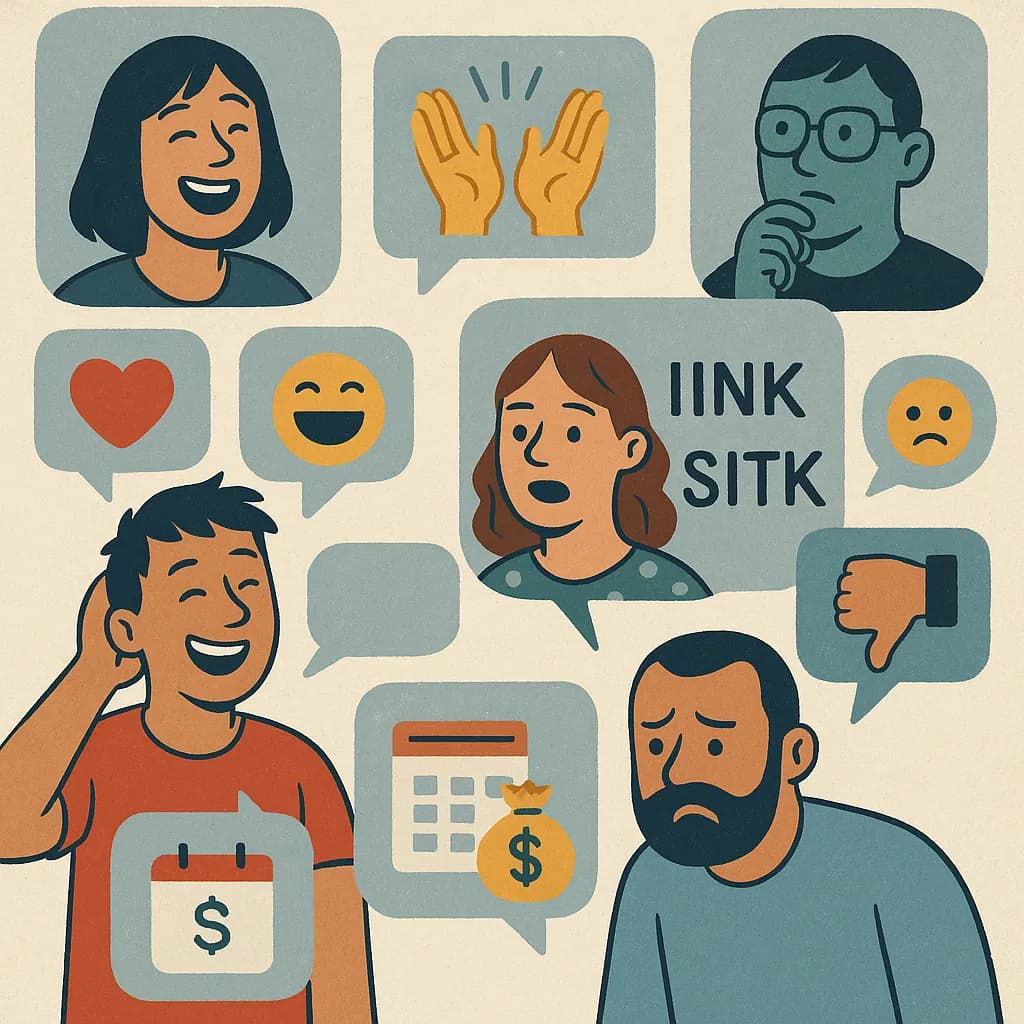
The comment section reflects a blend of admiration, humor, and realistic takes on various income and family statuses. While some celebrate the advantages of the DINK lifestyle, others share their struggles with single income or children. There is playful creativity in acronyms like IINK (Inheritance Income No Kids) or SITK (Single Income Two Kids), showing diverse experiences and sentiments. Some comments emphasize how double income no kids couples can potentially retire early, while others lament missed financial opportunities or current challenges. The community appears divided but engaged, with a core appreciation for the financial perks of the DINK approach.

This discussion ties into broader workplace and economic trends, including how dual-income households without children impact financial planning and retirement strategies. It highlights the unique position of tech professionals who often benefit from higher salaries and stock options, enhancing the advantages of a DINK lifestyle. Additionally, it informs discussions on work-life balance, gender roles, and the economic pressures of childcare. Companies and policymakers might consider these dynamics when addressing employee benefits, hiring trends, and economic sustainability within tech and beyond.
// The Desk Poll
Is the DINK lifestyle the best financial strategy?
Reactions