How Deeply Should Engineers Understand AI-Generated Code?
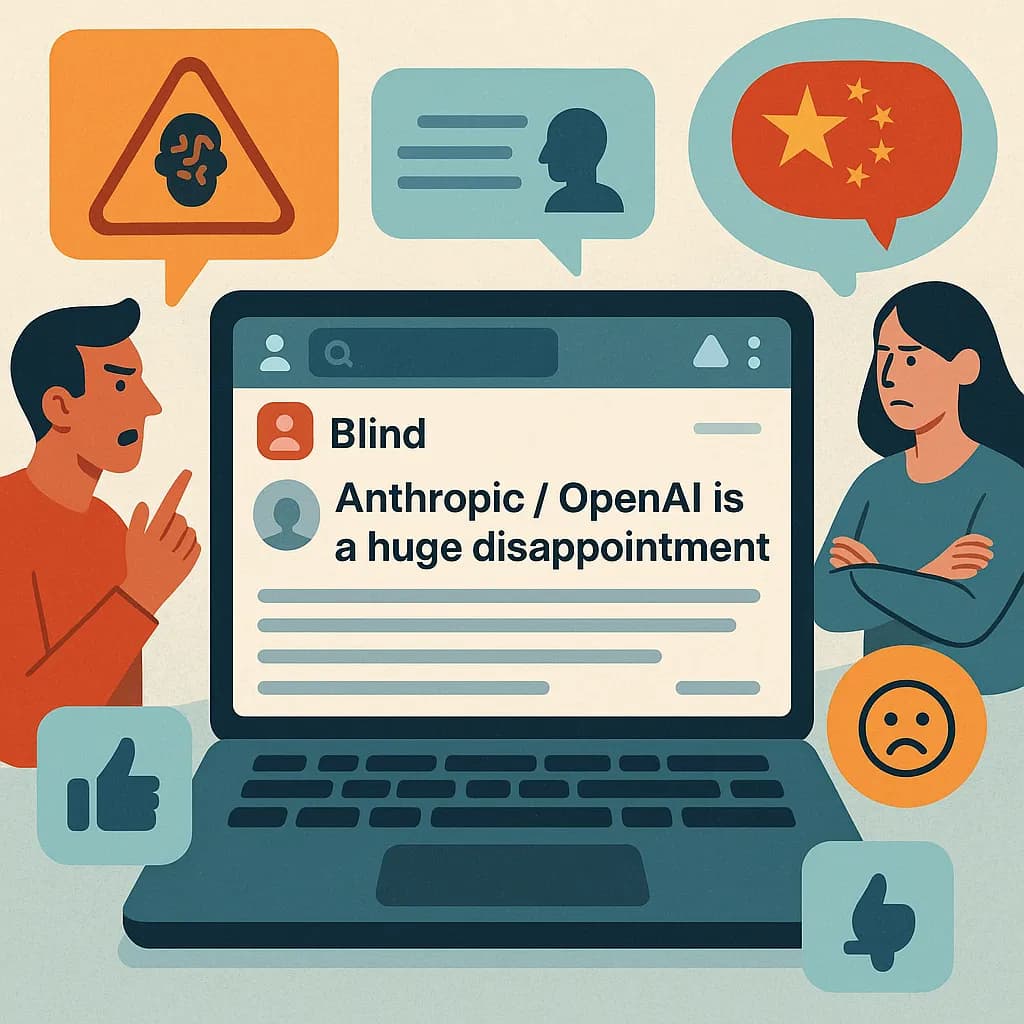
A recent Blind post sparked a discussion about how much engineers truly understand the AI-generated code they use. According to a poll of 52 participants, opinions vary from grasping only the high-level architecture to understanding every line as if they had written it themselves. The post questions the necessary depth of AI code comprehension, especially as AI increasingly influences software engineering workflows. This debate highlights a crucial challenge: balancing efficiency with thoroughness in reviewing AI output. Understanding AI-generated code involves not only the code's behavior and edge cases but also its architectural design. As AI tools become more prevalent, the software engineering community grapples with setting standards for code review and comprehension depth.
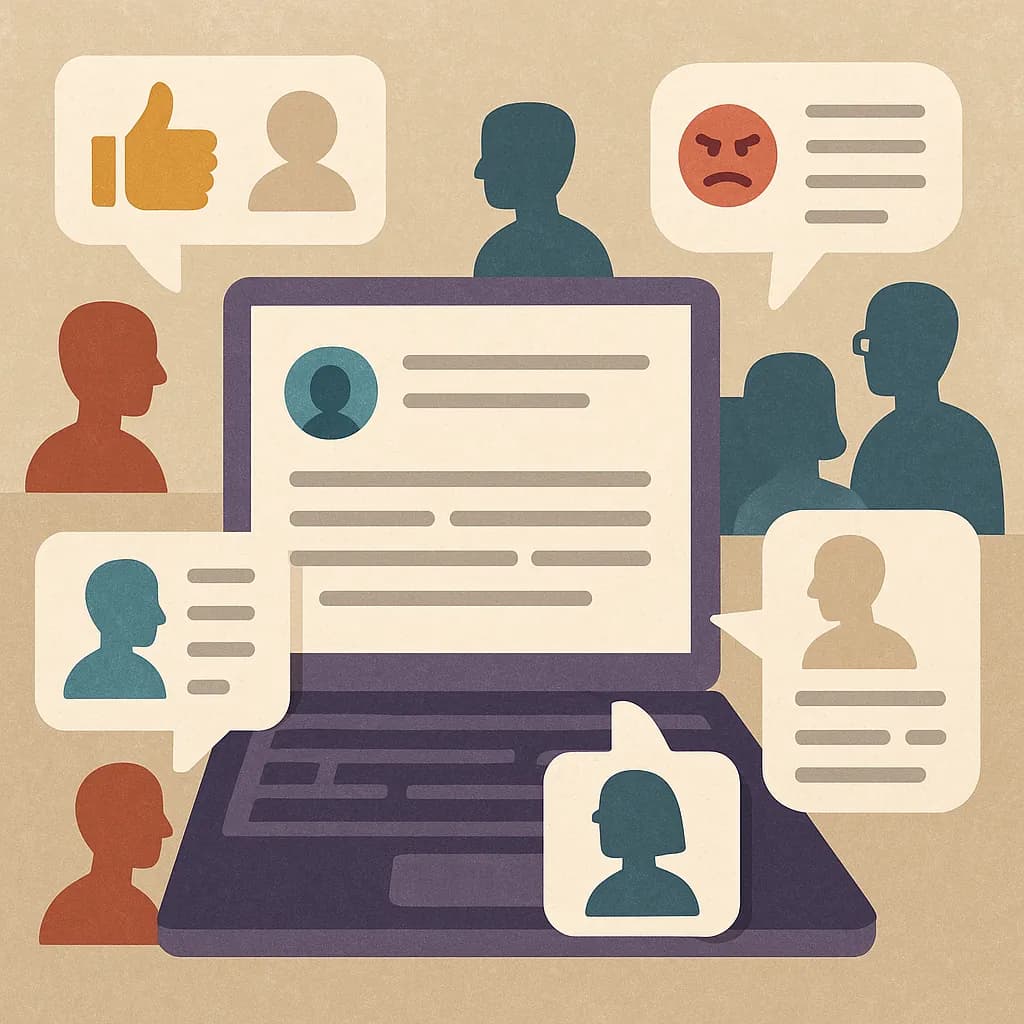
The comments reveal a split in perspectives. Some emphasize the importance of understanding AI code at a behavioral and edge case level rather than line-by-line, while others push for deeper comprehension equivalent to manual coding skills. There’s also discussion about managerial understanding of AI-generated code and how this impacts team communication and trust. The sentiment is cautiously curious, with professionals recognizing both the benefits and risks of relying on AI code without full understanding.
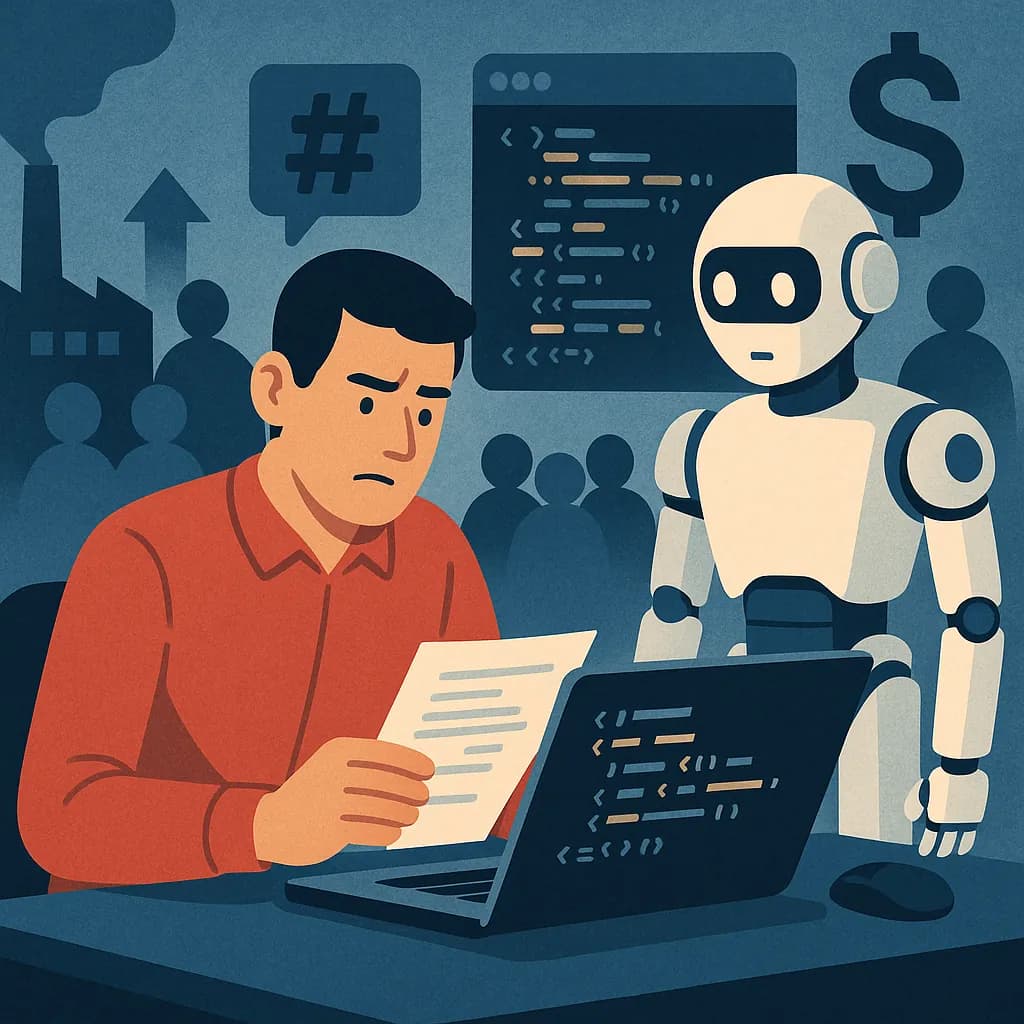
This conversation ties into broader workplace and technology challenges, including the impact of AI on software engineering jobs, the evolving expectations for engineer code review of AI output, and how management adapts to AI-driven workflows. It also intersects with hiring practices as companies look for engineers adept at interpreting AI code, and economic issues related to productivity and potential layoffs in tech sectors influenced by AI automation.
// The Desk Poll
How well must engineers know AI code?
Reactions