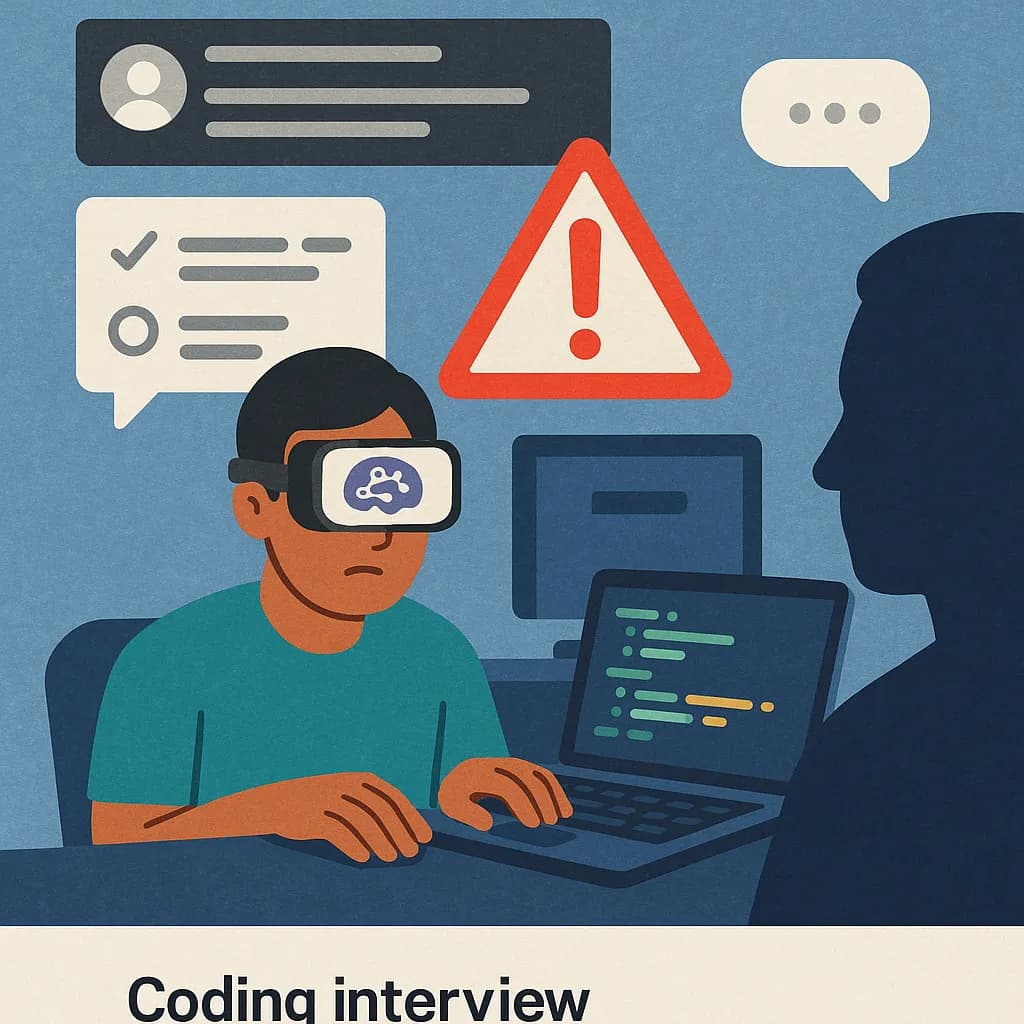
How AI Cheating is Making Coding Interviews Tougher and Less Remote
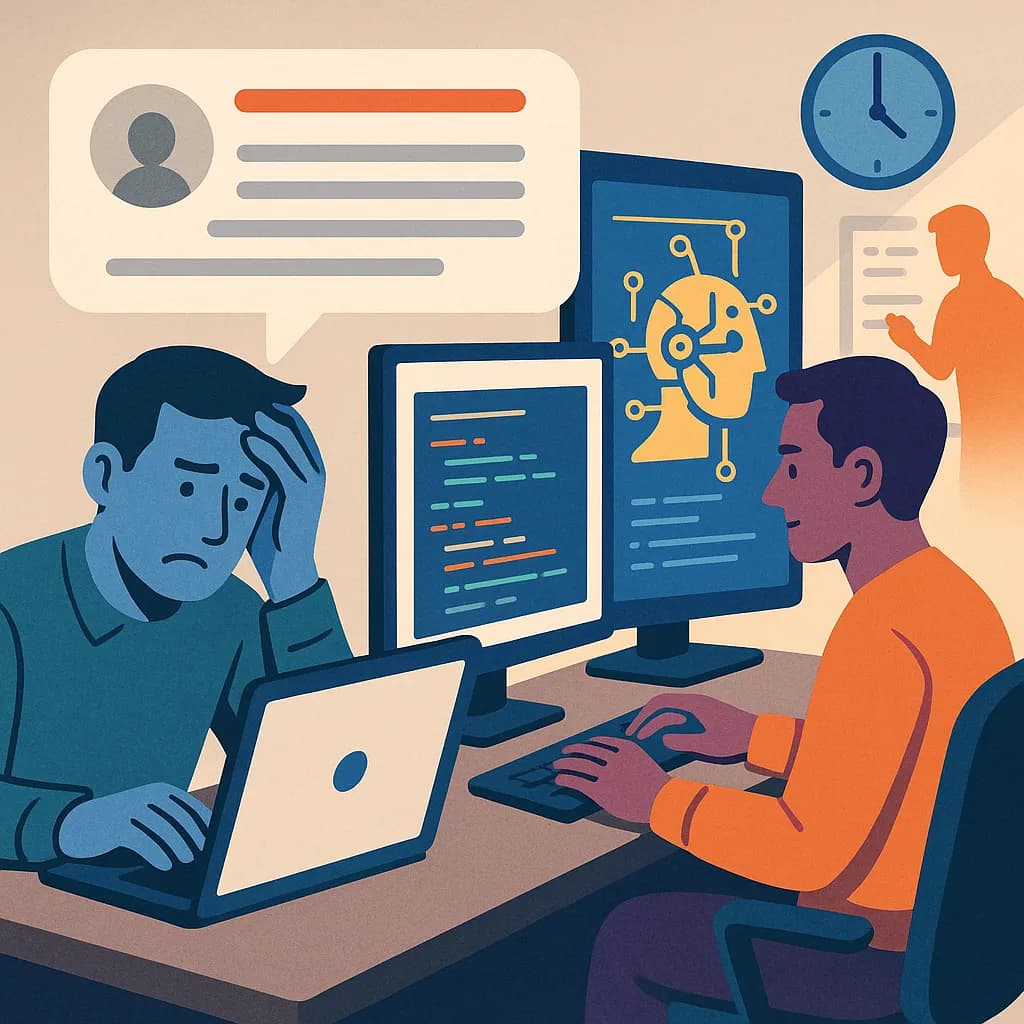
A recent Blind post highlights growing frustration among tech professionals over AI cheating in coding interviews. According to the post, candidates using AI tools and second monitors have prompted companies to revert to in-person whiteboard rounds, forcing candidates to burn PTO and travel across the country. This shift has complicated remote coding interview challenges and increased the burden on applicants. The discussion underscores the tension between evolving tech hiring practices and candidates employing AI to gain an edge. As AI cheating in coding interviews disrupts traditional processes, both interviewers and candidates face new hurdles. The issue ignites debates on fairness, skill assessment, and the future of tech hiring.
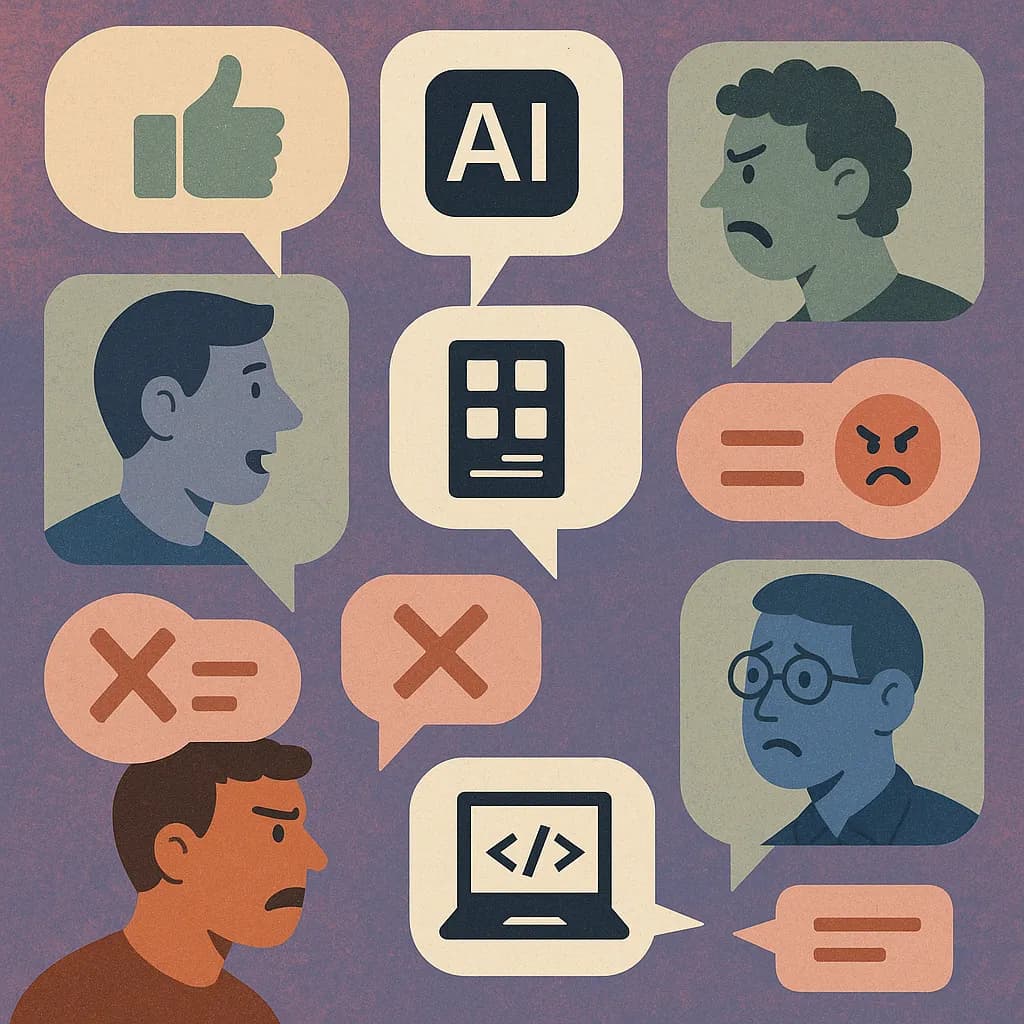
Comments reveal a divided tech community. Some defend using AI or additional resources as necessary adaptations, criticizing overly difficult LeetCode-style tests and outdated interview formats. Others condemn cheating outright, blaming it for harsher interview demands and reduced remote opportunities. Many argue about the relevance of standardized coding interviews and express frustration with current hiring processes. The discourse reflects broader skepticism about traditional coding interviews and concerns over how AI impacts tech hiring integrity.
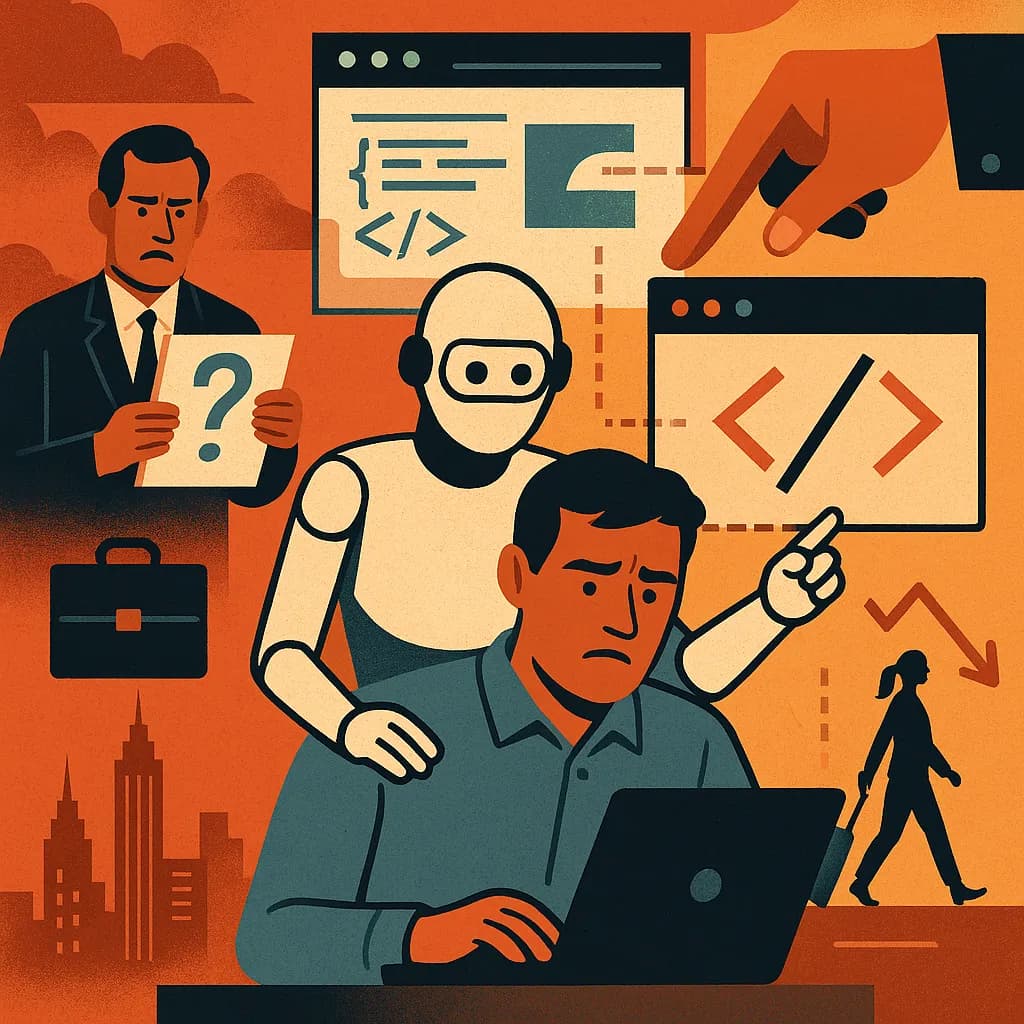
This controversy ties into broader workplace and industry challenges: the strain on remote hiring processes due to misuse of AI cheating, the fairness and effectiveness of coding interviews, and management's response to evolving candidate strategies. It highlights how advances in AI complicate tech hiring, forcing companies to reconsider assessment methods. Additionally, it reflects ongoing debates about employee workload, travel demands for interviews, economic inequality, and the balance between innovation and integrity in recruitment.
// The Desk Poll
Should AI use in coding interviews be considered cheating?
Reactions