Congress Considers Ending H1B Visa Path to Permanent Residency: What It Means for STEM Jobs
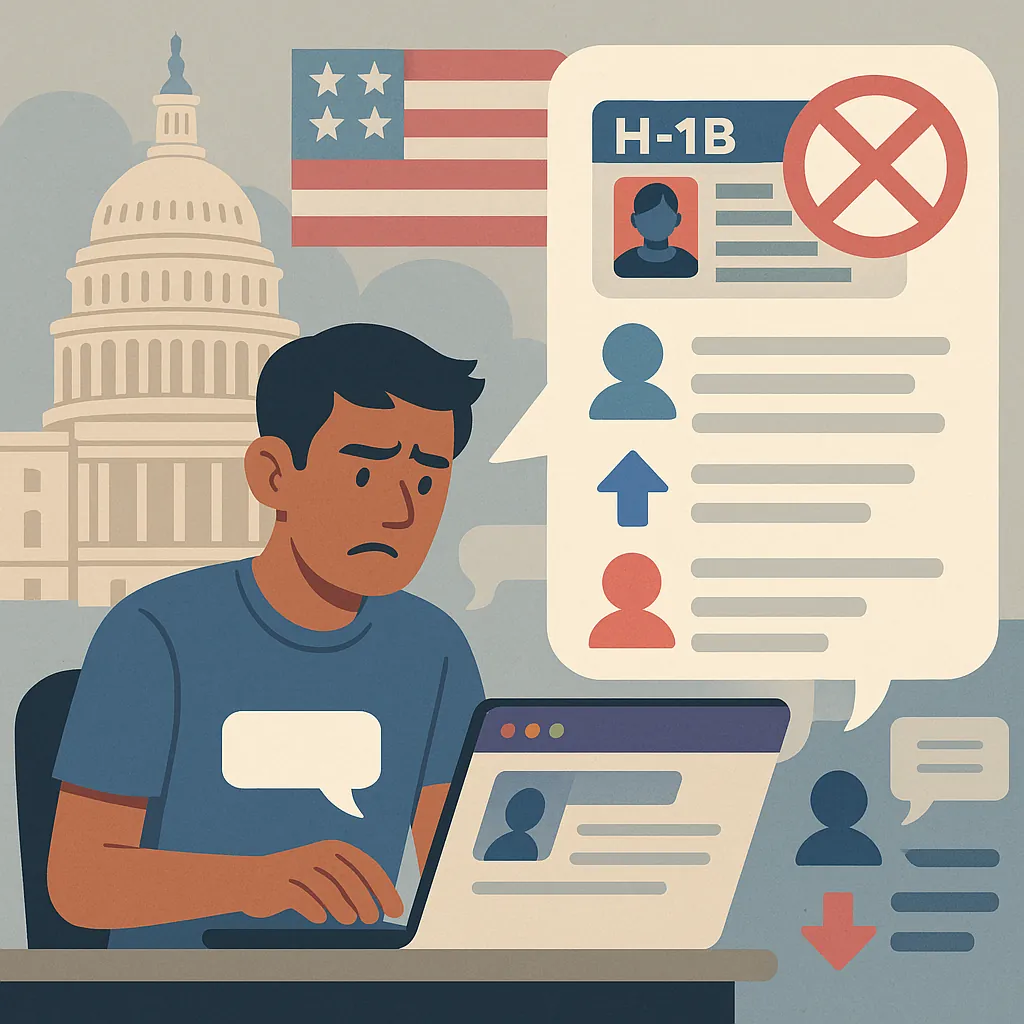
Congress is reportedly moving toward eliminating the route from H1B visa status to permanent residency, sparking debate across various communities. Designed as a temporary visa, the H1B program has traditionally allowed highly skilled foreign workers to fill talent gaps in the U.S. STEM fields. Critics argue this change may prioritize American citizens in STEM jobs, while supporters highlight the long-term risks of shrinking the talent pool and economic innovation. A recent Blind poll indicates that many former H1B holders oppose the move, fearing negative impacts on their careers and the broader industry. The discussion also touches on complex issues like immigration policy, brain drain, and the future of the U.S. workforce amid population shifts.

Comments reveal a sharp divide between nativist sentiments prioritizing American workers and advocates emphasizing the benefits of global talent inflows. Many express concerns over misuse of the H1B program by corporations, while others stress that restricting the path to residency could hamper U.S. innovation and growth. The debate also includes perspectives on economic sustainability, immigration trends, and workforce demographics. Overall, the sentiment is conflicted, with strong arguments on both sides about the balance between protecting domestic jobs and fostering a competitive, diverse tech sector.

This debate ties into broader issues such as U.S. immigration reform, the future of STEM job markets, corporate hiring practices, and economic competitiveness. It also raises questions about balancing native workforce protections with the necessity of attracting global talent in an era of technological advancement and declining birth rates. Furthermore, it touches on concerns about wage suppression, startup innovation barriers, and national economic growth strategies in a changing geopolitical landscape.
// The Desk Poll
Should H1B visas lead to residency?
Reactions