Amazon SDM Leadership Issues Fuel Engineering Manager Layoffs Amid Talent Gap

Amazon is facing significant leadership challenges as the transition rate of L6 SDEs into Software Development Manager (SDM) roles has plunged by nearly two-thirds since the pandemic began. To bridge this gap, Amazon has increasingly promoted professionals from non-engineering tracks like TPMs and QAMs into SDM positions, many lacking deep technical expertise. This shift has led to difficulties in innovation and strategic leadership, culminating in plans to cut approximately 15,000 manager roles, mainly affecting this cohort. Many of these SDMs opt to leave rather than address skill gaps, aided by lowered hiring bars elsewhere, resulting in leaders focused more on headcount than technical impact. In contrast, SDMs with an SDE background tend to provide stronger technical guidance, though companies must scrutinize resumes and conduct thorough interviews to ensure genuine engineering roots. This situation highlights the complexities of tech leadership and the consequences of hiring practices on organizational performance.
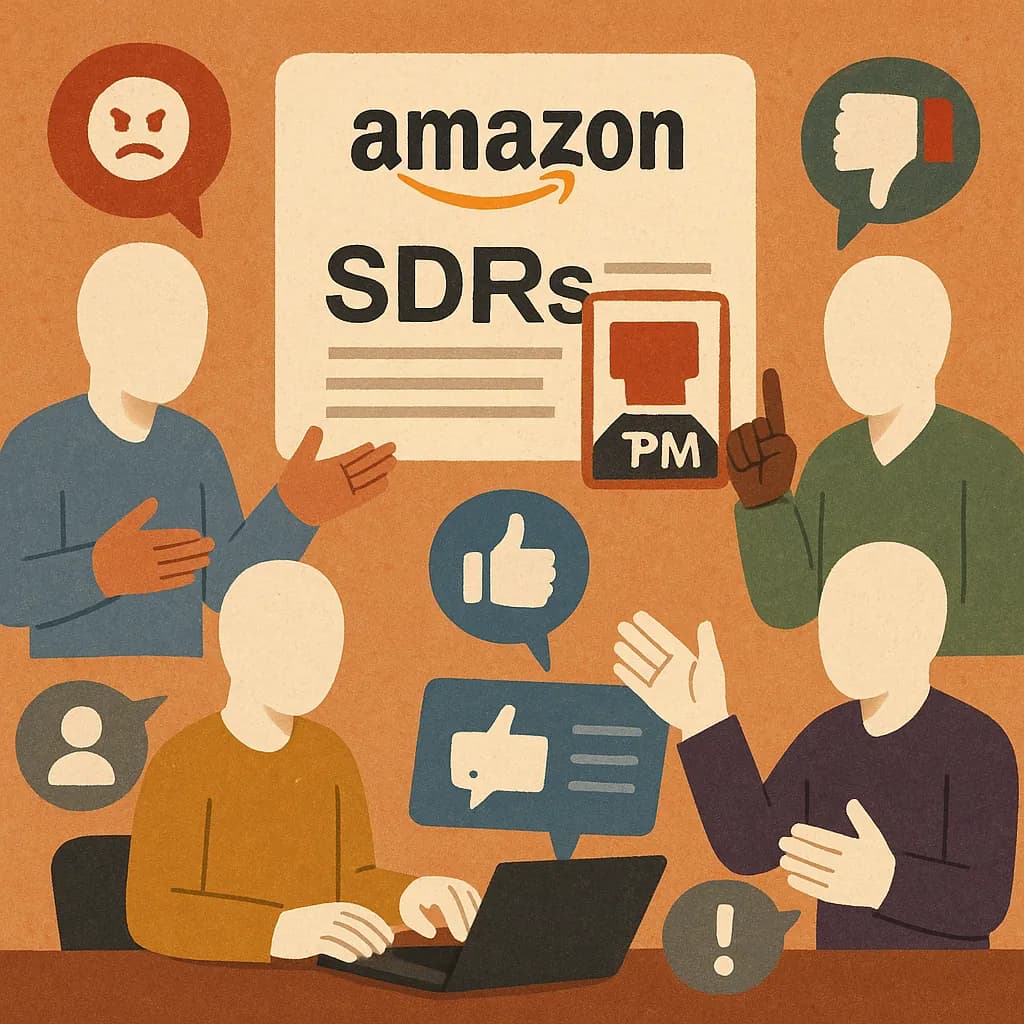
Comments reveal a polarized view of Amazon SDMs, with many expressing skepticism about leadership quality, especially those transitioning from non-engineering roles like TPMs. Several commenters note that some companies actively avoid hiring Amazon SDMs, citing cultural and managerial issues, while others argue that challenges exist at various senior levels regardless of background. There is acknowledgment of broader systemic problems affecting leadership autonomy and performance at Amazon, alongside criticisms of management styles perceived as toxic or overly political. However, some defend the technical competence of former SDEs, emphasizing the need for deeper candidate vetting.

The leadership issues at Amazon reflect broader challenges in the tech industry regarding effective management, talent development, and the impact of layoffs. Hiring managers without solid technical experience can undermine innovation, project execution, and team morale, leading to poor returns and organizational instability. Moreover, the trend of lowering hiring standards amidst layoffs raises concerns about maintaining quality and the long-term health of tech teams. These dynamics underscore the importance of transparent hiring practices, thorough candidate assessment, and balancing business pressures with sustaining technical leadership.
// The Desk Poll
Should Amazon prioritize technical skills over managerial experience for SDMs?
Reactions