Amazon Blocking Muse: Security Excuse or Fear of Agent-Based Shopping?
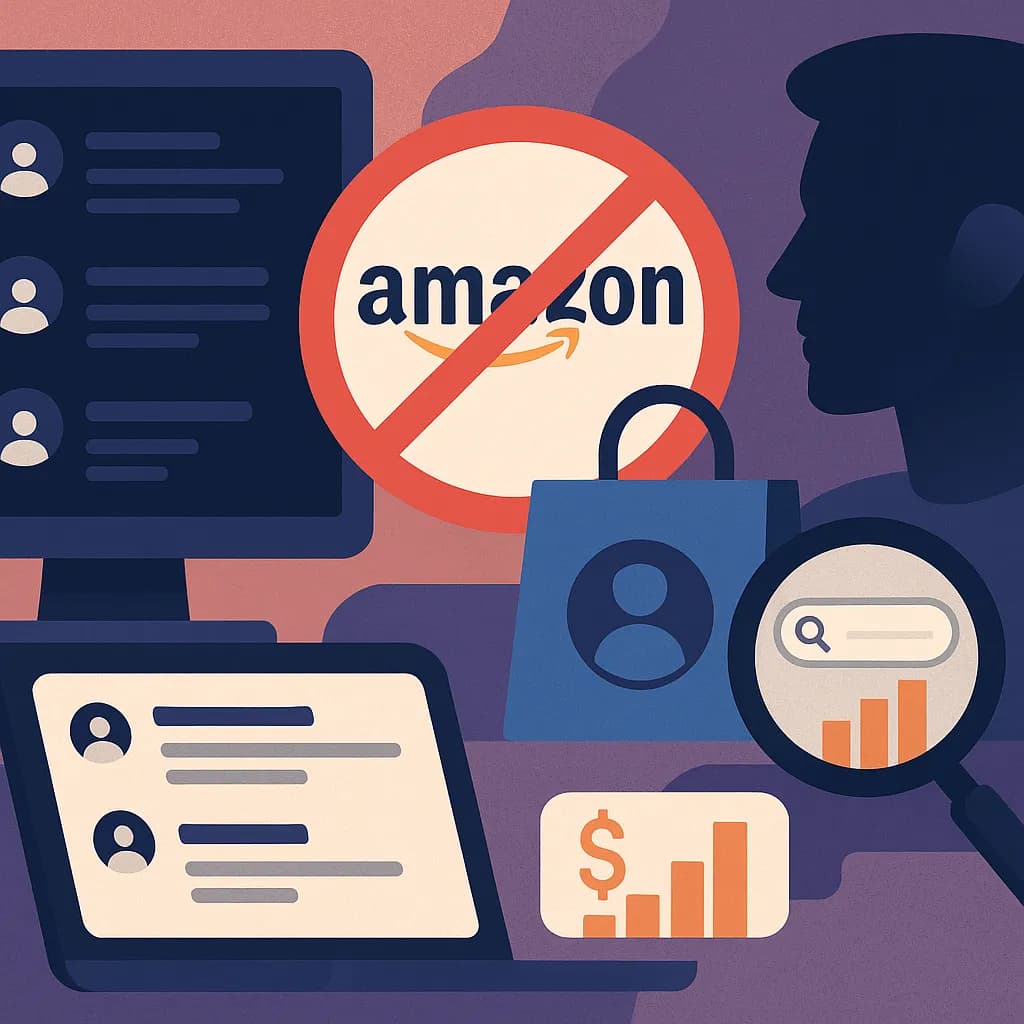
Amazon recently blocked Muse, a service that shops on users' behalf, citing security concerns. However, many insiders and users believe the real motive lies in protecting Amazon's high-margin ad business, which could be disrupted by the rise of shopping agents. This move has sparked debates about the future of agent-based shopping and its impact on e-commerce giants like Amazon. While some users see agent shopping as unnecessary or niche, others acknowledge its growing relevance, especially for business users. The incident raises questions about whether Amazon is adapting to new shopping trends or resisting them to maintain control over its advertising revenue.

Comments reveal a split between skepticism and acceptance of shopping agents: some users find agents impractical or unnecessary, while others recognize their growing role. Many express doubt about Amazon's stated security concerns, suspecting ad revenue protection instead. Additionally, there are tangential disputes involving other tech giants, reflecting competitive tensions. Overall, the sentiment is a mix of criticism toward Amazon's blocking decision and curiosity about agent-based shopping’s future.

This controversy highlights broader issues in tech industry competition, data security standards, and evolving user behaviors in e-commerce. It also touches on how companies manage innovation versus protecting existing profitable models, impacting workplace strategies and tech development. The debate reflects challenges in integrating advanced shopping technologies while balancing privacy, security, and business interests. Furthermore, it underscores the economic implications of AI-powered shopping agents transforming traditional shopping dynamics.
// The Desk Poll
Should Amazon embrace or block shopping agents like Muse?
Reactions